
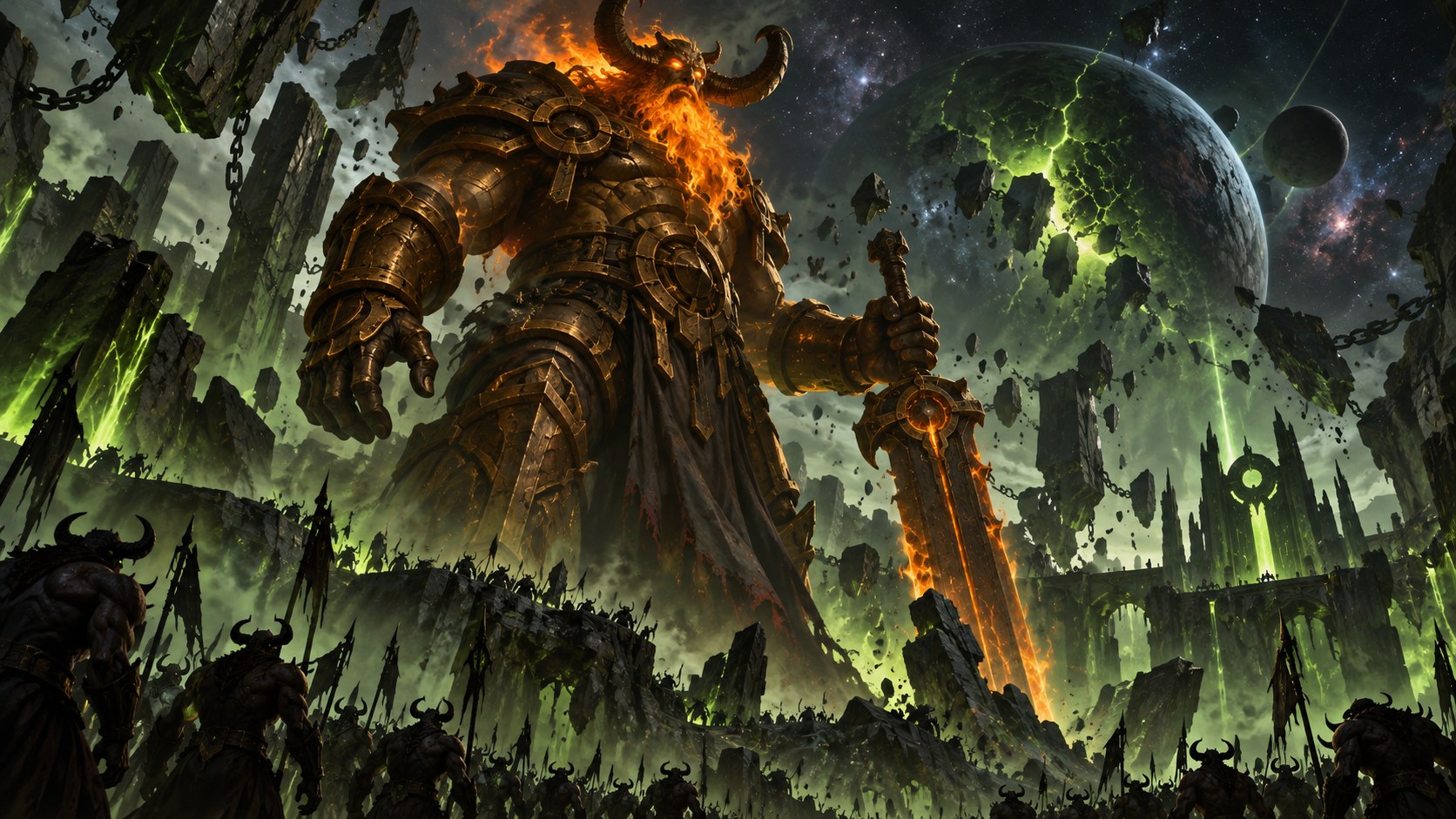
Sargeras began his great war as the Pantheon’s protector. His task was to stop demons from destroying the worlds the titans sought to order. He eventually decided that life itself made the universe vulnerable: wherever a world-soul slept, the Void might claim it. The Burning Legion grew from his decision to destroy creation before that could happen.
Chronicle Volume 1 supplies the main account of this transformation. Later stories complicate the motives of the beings who informed him, but the decisive acts remain his own. Sargeras killed a world-soul, rejected his fellow titans, and made his former prisoners into an army.
Cover: Sargeras above his demonic army. Original Azeroth Chronicle illustration.
The champion who could not end the war
Defeating a demon did not necessarily remove it from the universe. When slain outside the Twisting Nether, demons could return, making Sargeras’s victories temporary. Aggramar joined him as a younger warrior and became his trusted lieutenant. With help in battle, Sargeras could study the realm that sustained their enemies.
His solution was Mardum, the Plane of Banishment, a prison within the Nether that contained the demons he defeated. Their accumulated fel energy made it increasingly dangerous. Long before the Legion existed, Sargeras had gathered much of its future strength in a prison of his own making. Warcraft Wiki’s history of Mardum traces this account to Chronicle and the demon hunter starting experience.
A world he refused to save
The discovery that changed his purpose was a planet infested by Old Gods. Within it, a sleeping world-soul was being corrupted. Nathrezim on the planet explained the Void Lords’ ambition to twist such a being into a dark titan capable of consuming creation. Sargeras accepted annihilation as the only answer and cleaved the planet apart, killing the unborn titan with it.
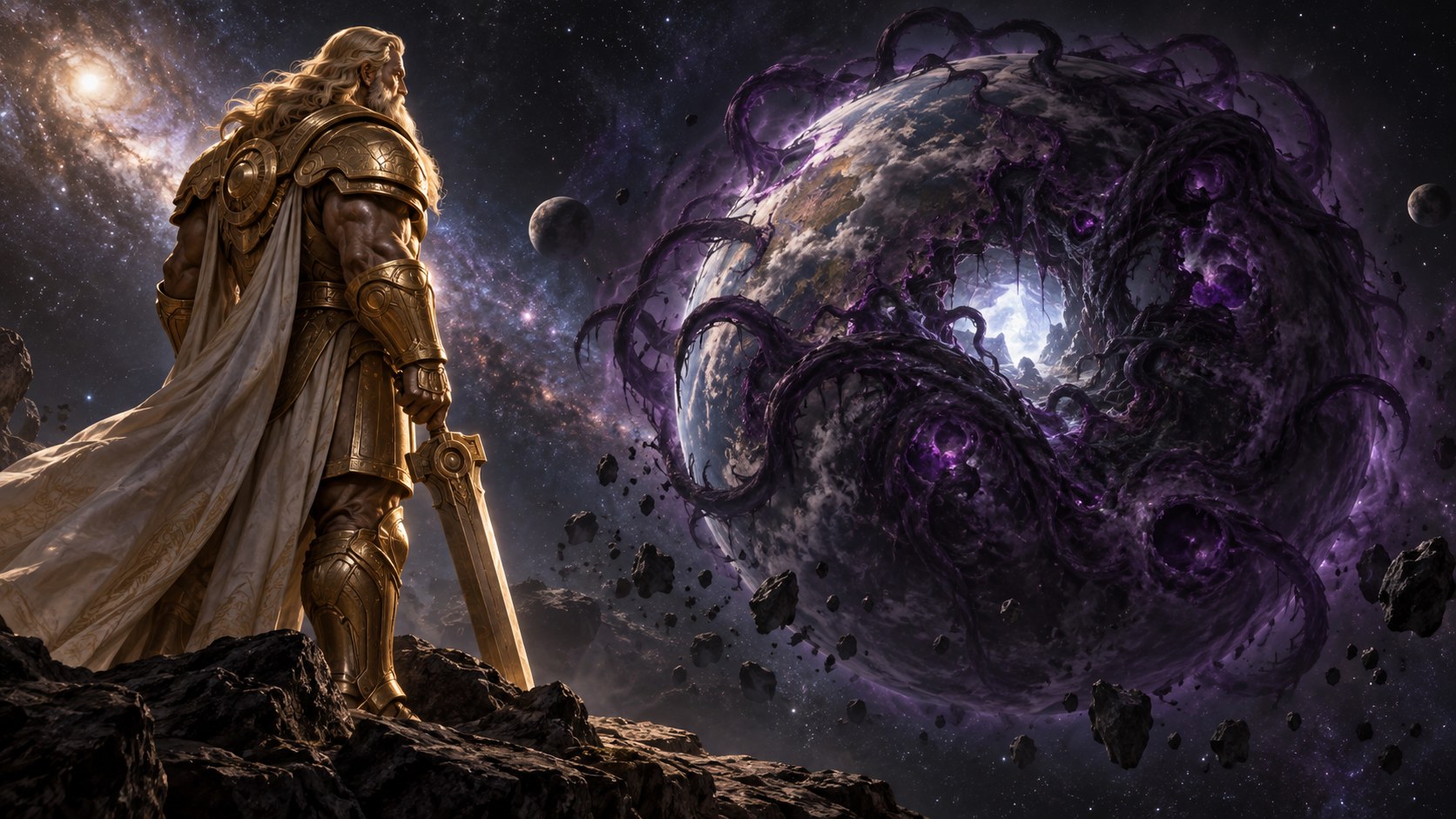
The Pantheon condemned his decision. They believed the world-soul might have been saved; Sargeras saw their objection as a failure to understand the danger. He expanded one judgment about one planet into a policy for the universe. Any surviving world could harbor a future catastrophe, so every world became expendable.
Blizzard Watch’s Chronicle-era analysis follows this progression from fear to extermination. The moral failure is in the certainty of his response. The threat was real, but he treated the possibility of corruption as sufficient reason to destroy lives that had never served the Void.
Mardum and the demon who said no
Sargeras returned to Mardum for an army. Shattering the prison released its captives and an eruption of fel energy that transformed him. The former jailer offered the demons service or destruction. The Burning Legion began with coercion as well as a shared appetite for ruin.
One small story makes that recruitment more revealing. The in-game Tome of Blighted Implements records that the dreadlord Ulthalesh had ruled among the prisoners and refused to submit. Other demons rallied to him. Sargeras forged a felsteel scythe in the destruction of Mardum and imprisoned the rebels’ souls inside it. Ulthalesh resisted longest and gave the weapon its name.
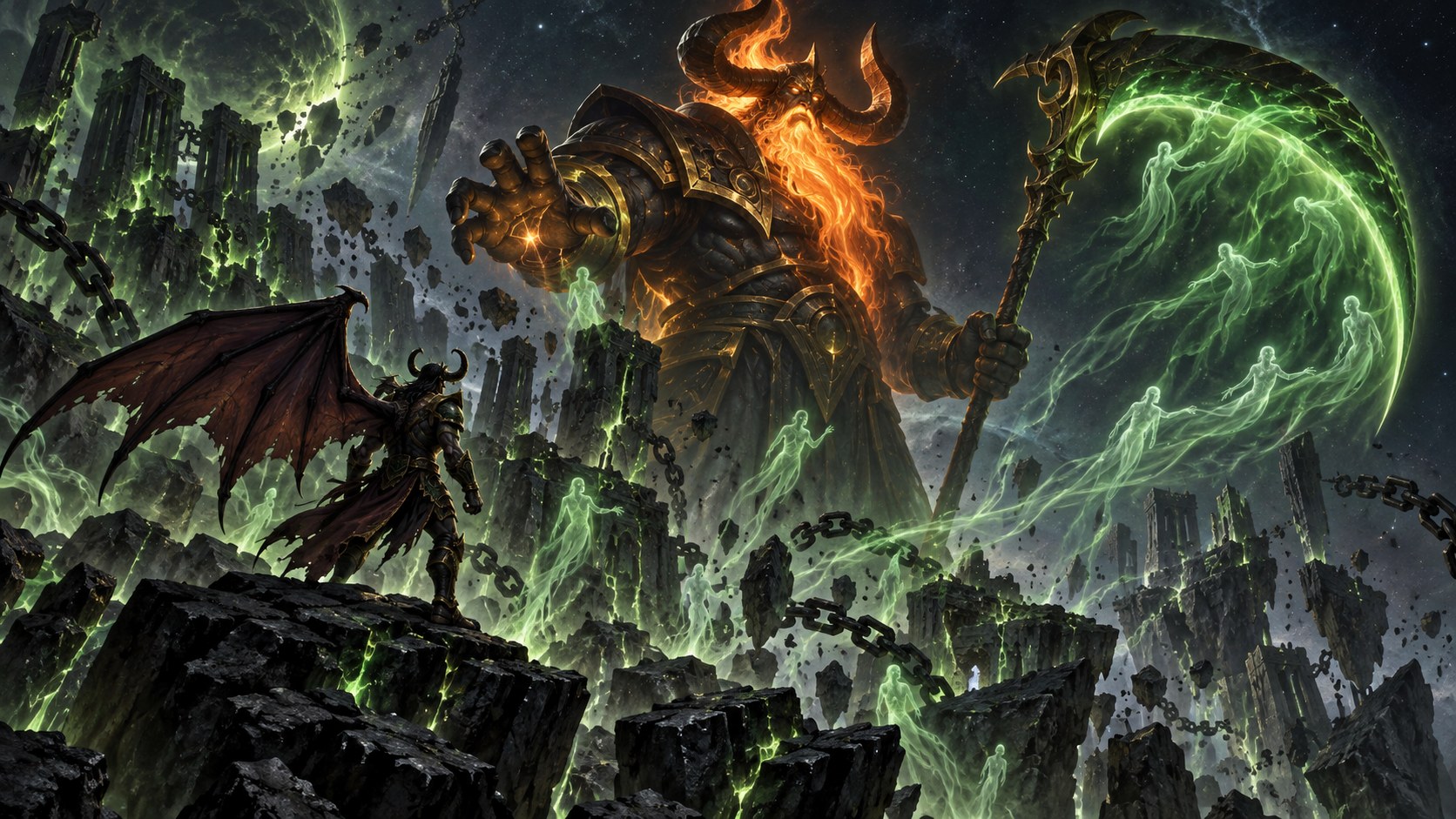
Legion players later wielded that scythe as an Affliction warlock artifact. Its history preserves a detail easily lost in the scale of the crusade: even among demons, allegiance to Sargeras was not unanimous.
Aggramar’s last appeal
The betrayal also destroyed a personal bond. At the confrontation near Nihilam, Aggramar approached his former mentor without a weapon, appealing to their shared history. Sargeras struck him down. The remaining titans fought and lost their physical forms, although their spirits survived.
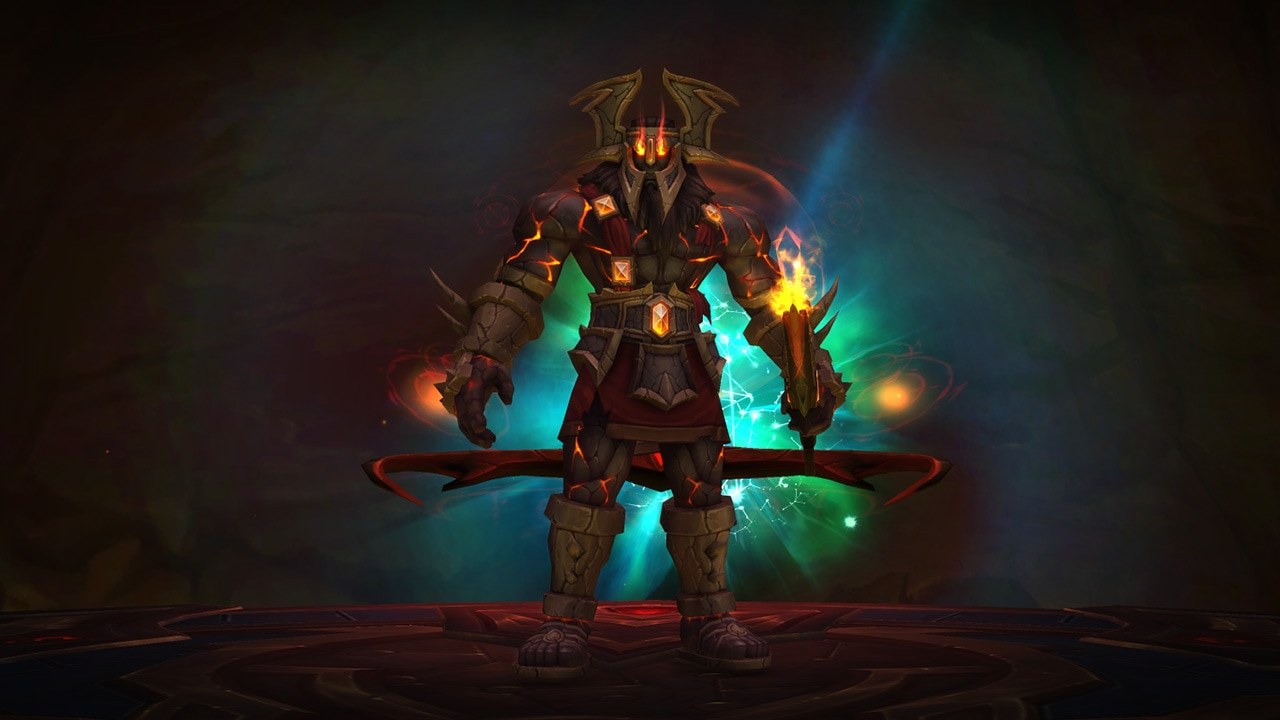
Aggramar’s story became more cruel in Legion. Sargeras captured and corrupted him, turning the former defender into a guardian of Antorus. Blizzard’s raid introduction describes him as a once-noble Avenger reborn to serve destruction. The warrior who had tried to stop Sargeras was made to defend the power behind his crusade.
Argus gave the Legion its commanders
The eredar offered Sargeras something brute force could not supply alone: an accomplished civilization with powerful spellcasters and military leaders. He promised its three rulers extraordinary power in exchange for loyalty. Archimonde and Kil’jaeden accepted. Velen saw a future in which his people became demons and rejected the bargain.
With a naaru’s help, Velen led the refugees who became the draenei away from Argus. Kil’jaeden treated their escape as betrayal and pursued them across worlds. Blizzard’s Burning Crusade recap connects that vendetta to the later corruption of the orcs and the slaughter of the draenei on Draenor.
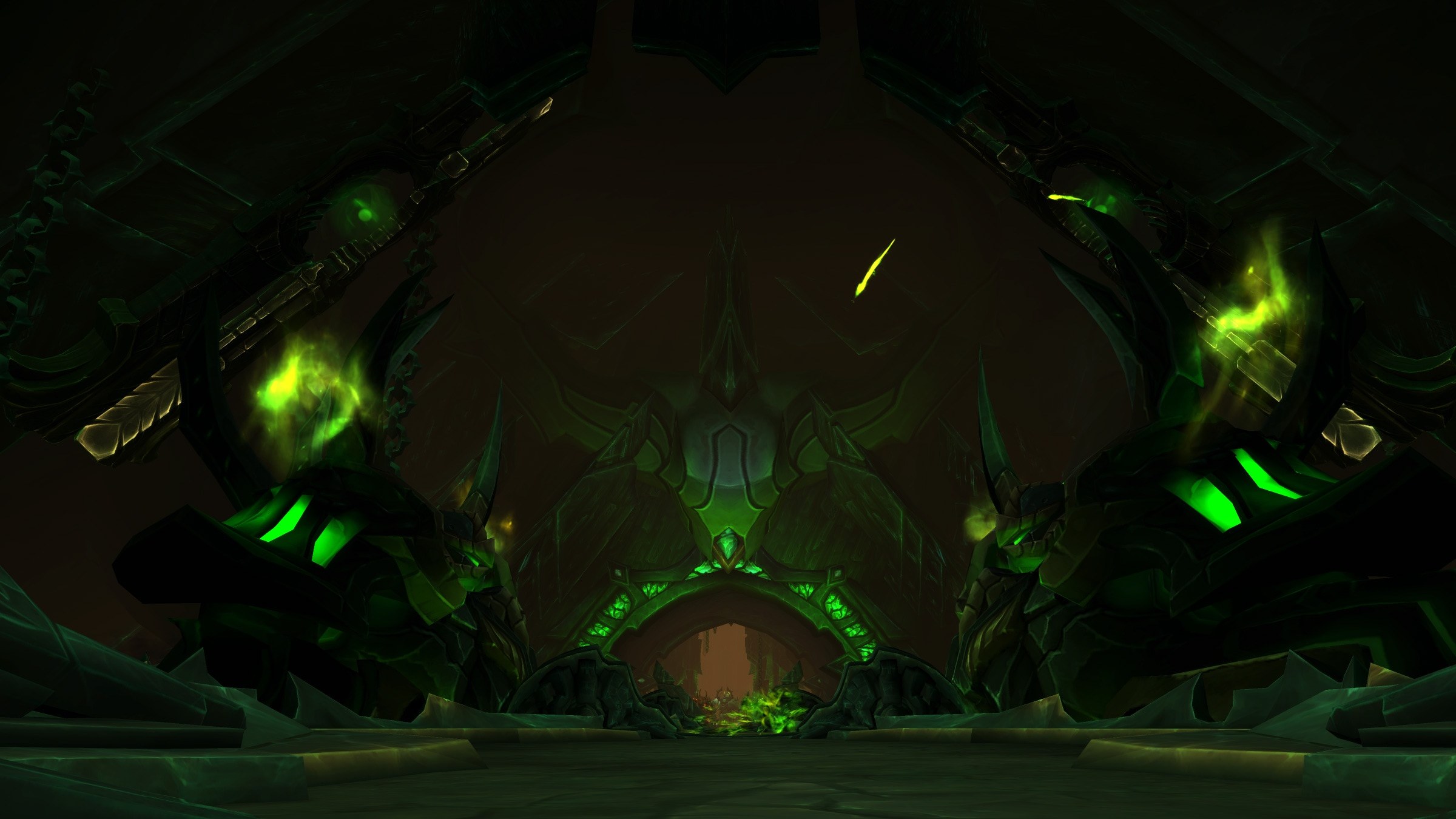
The Legion’s conquest of Argus turned knowledge, organization, and ambition toward the destruction of other civilizations. Its generals could recruit, deceive, and corrupt populations before the armies arrived. Sargeras’s personal decision now had followers capable of repeating its consequences throughout the cosmos.
Why the accounts differ
Older Warcraft lore assigned the already-demonic eredar a role in Sargeras’s descent. The Burning Crusade revised that relationship: Sargeras corrupted the eredar after his own fall. Blizzplanet’s contemporary coverage and Warcraft Wiki’s comparison of the old in-game history document the change. Those versions should not be combined into a single chronology.
Chronicle later made the corrupted world-soul and the Void Lords central to his decision. Blizzard’s 2019 lore Q&A also placed Chronicle within a titan perspective. Shadowlands added another complication through Enemy Infiltration — Preface, an in-game report about manipulating cosmic powers. Its author describes exploiting the titans’ drive for order and using the Void against other rivals.
That document gives readers reason to question the purposes of Sargeras’s informants. It does not provide a complete transcript of his corruption or prove that every decision was dictated to him. Across the changing accounts, his responsibility remains clear. He answered a danger to life by claiming the authority to decide that no life should continue.
Sources
Blizzard: Burning Crusade Classic — The Story So Far — the eredar bargain, Velen’s escape, and Kil’jaeden’s pursuit.
Blizzard: Antorus, the Burning Throne — Aggramar’s corruption, the Antoran High Command, and both official screenshots.
Warcraft Wiki: Mardum, the Shattered Abyss — the prison’s creation and destruction, with references to Chronicle.
Warcraft Wiki: Worldsoul — the corrupted world-soul and the Pantheon’s disagreement.
Warcraft Wiki: Aggramar — the confrontation at Nihilam and his later enslavement.
Tome of Blighted Implements, transcribed by Warcraft Wiki — the in-game account of Ulthalesh’s rebellion.
Blizzard Watch: Know Your Lore — For Azeroth — a 2016 analysis of Chronicle’s account; later Legion revelations supersede parts of its discussion of the titans’ fate.
Blizzplanet: Sargeras — Eredar/Draenei Retcon and Rumors — the change to the eredar’s history.
Warcraft Wiki: Sargeras and the Betrayal — the older in-game history and its revisions.
Wowhead: BlizzCon 2019 lore Q&A — Blizzard’s explanation of Chronicle’s perspective.
Enemy Infiltration — Preface, transcribed by Warcraft Wiki — the Shadowlands in-game report on cosmic infiltration.