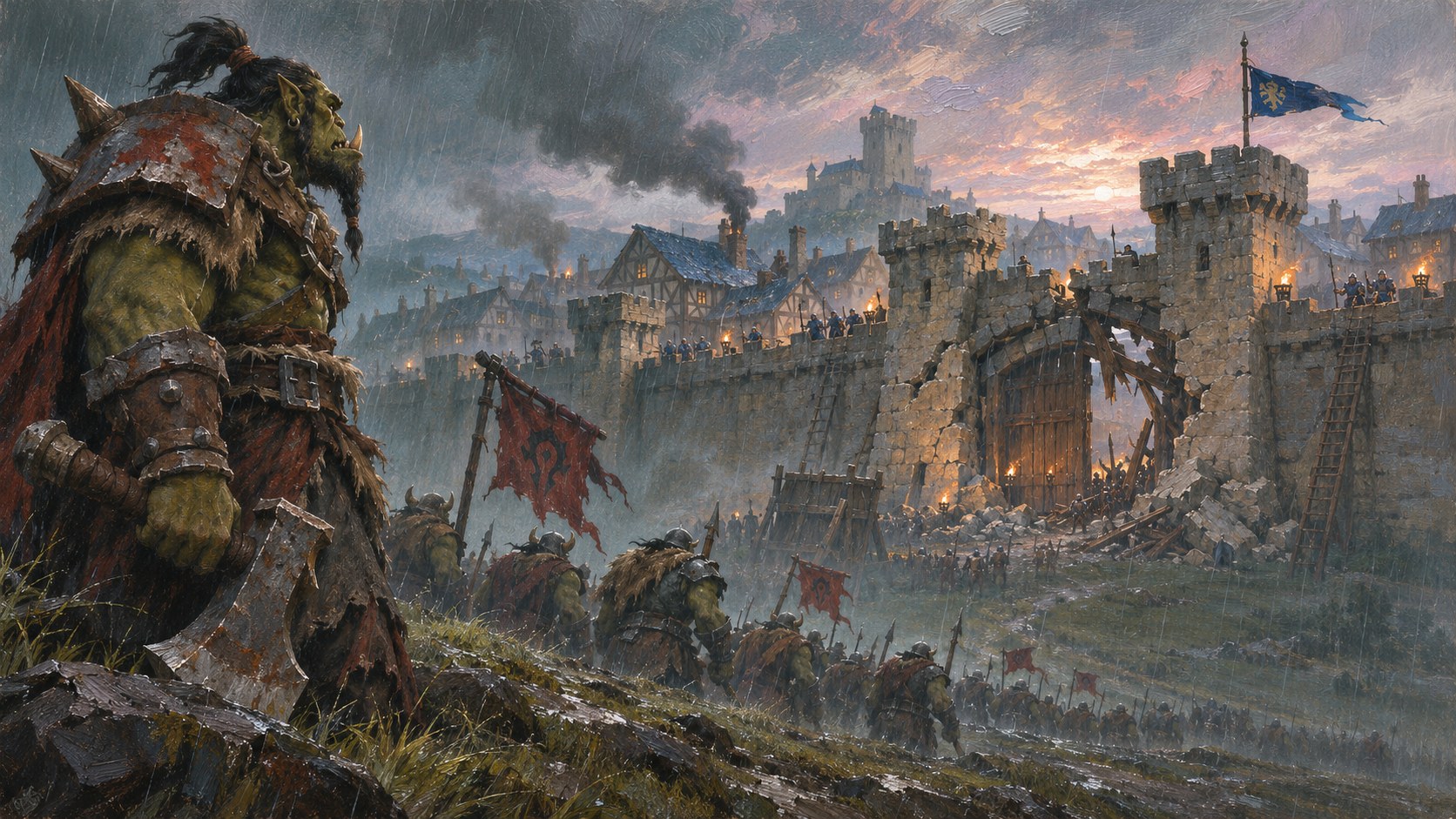
In the second human mission of Warcraft: Orcs & Humans, King Llane sends a small force to defend Grand Hamlet. Choose the orc campaign and the same village becomes your third assignment. This time Blackhand expects it destroyed. Someone who finished both campaigns in 1994 had personally saved a town, burned it down and won the war for each side. When Warcraft II opened with Stormwind in ruins, one of those victories suddenly needed explaining.
The First War as Azeroth remembers it combines events from both campaigns. The Horde conquered Stormwind; the humans killed Medivh; Garona assassinated Llane. The missions place some of those events under your command. Others reach you as news between battles. The distinction matters when tracing what happened to the king, his assassin and the men who carried his son to safety.
Two accounts on the same bookshelf
The original Warcraft manual gives each side room to tell its own history. On the human side, a chronicle attributed to Sir Lothar describes what the kingdom knew about the catastrophe. The orc account is attributed to Garona. Before she appears as a prisoner or an assassin in the campaign briefings, a reader has already met her as a source of information about an entire people.
Even the rules for construction carry some of that storytelling. The manual explains that Blackhand permits only one town hall in an orc encampment because he fears rival factions. A restriction the player encounters while placing buildings tells us something quite specific about the warchief. He mistrusts his own commanders. Anyone playing the orc campaign to its conclusion will discover that he has reason.
Stormwind has no Alliance of Lordaeron to call on when the invasion begins. Llane rules the southern kingdom, Lothar commands its soldiers, and their friend Medivh holds the office of Guardian. The organization that brings the northern human kingdoms together belongs to the aftermath of this war. Remembering that order makes sense of an otherwise puzzling absence: the first game has plenty of human soldiers, but no northern coalition coming to relieve the capital.
The bargain that opened the Dark Portal
Draenor was the orcs' home. Before the first soldiers crossed into Azeroth, the warlock Gul’dan had helped turn its clans into a conquering Horde. He encouraged orcs to drink the blood of Mannoroth, tying those who drank to the demons of the Burning Legion. Blackhand exercised military command while Gul’dan and his Shadow Council exercised influence over him. The invaders thus arrived with disagreements about who ought to govern them already unresolved.
On Azeroth, Medivh could act with unusual freedom. Llane had known him since childhood, and protecting the world from demonic threats belonged to his office. Sargeras had possessed the very mage entrusted with that defense. Medivh contacted Gul’dan and offered him the prospect of godhood. Their cooperation opened the Dark Portal in the Black Morass and gave the Horde a way into the southern kingdom. Blizzard’s account of the opening explains what the soldiers sent against the early raiding parties could not have known: the human court had as much reason to investigate its own Guardian as it had to scout the swamp.
For players who came to Warcraft through WoW, the strangest reenactment takes place in the Caverns of Time. In the Black Morass dungeon, adventurers defend Medivh while he opens the portal. The enemies there belong to the Infinite Dragonflight and are trying to alter history. Protecting him is the objective because the opening has already happened in the adventurers’ past. Lothar and his soldiers faced a very different duty when they discovered his part in the invasion.
What the village and the mines cost
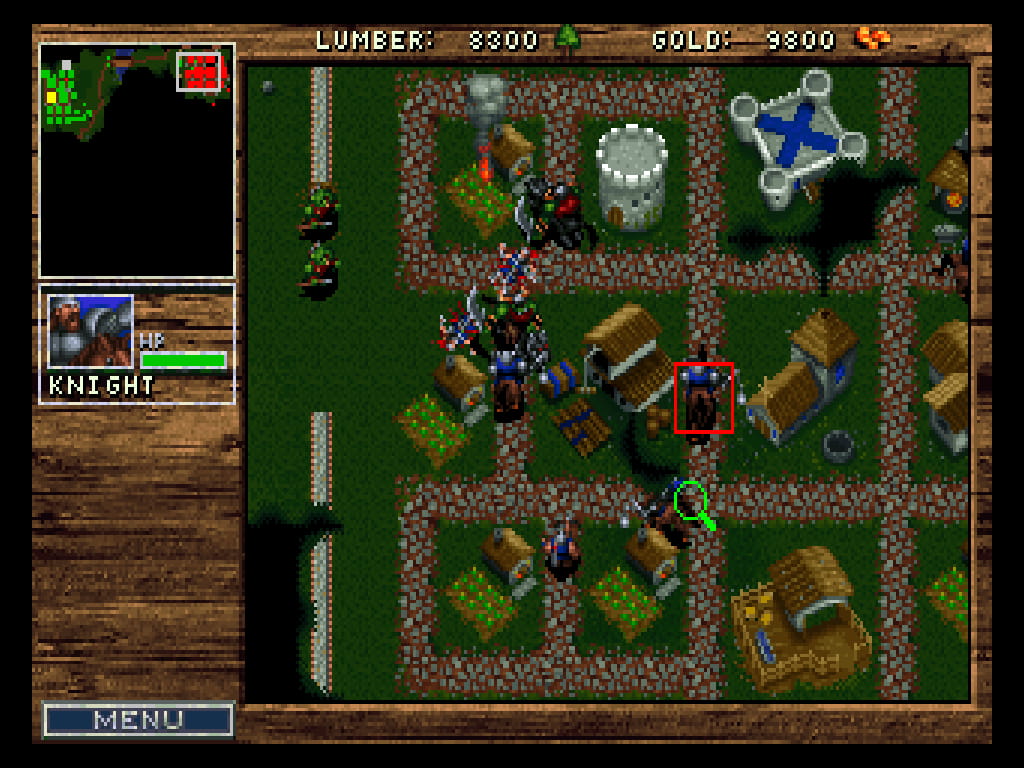
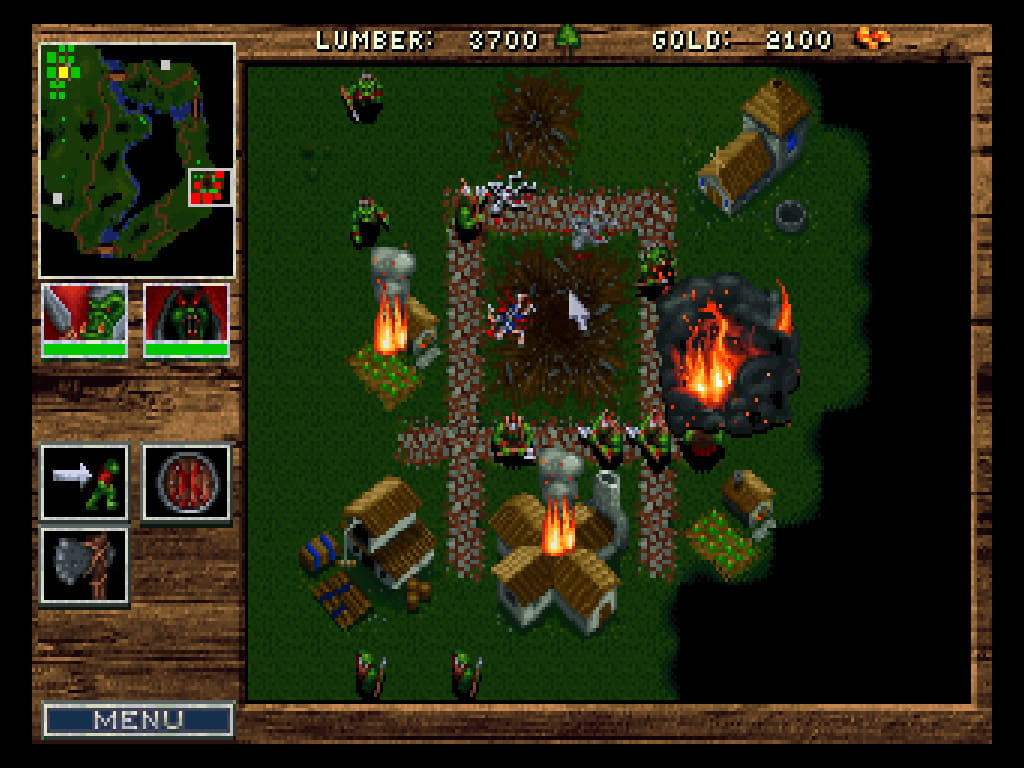
The human commander at Grand Hamlet faces a problem familiar to anyone who started the game with a single peasant. The settlement needs workers gathering gold and lumber while its defenders deal with successive attackers. In the orc assignment, those same farms and buildings are targets. A player who learned to protect the village understands what destroying it means long before reaching Stormwind Keep.
The fourth mission takes both campaigns underground. In the human telling, Lothar disappeared while searching for the Tome of Divinity. His rescuers have to find him wounded in the Dead Mines and bring him out alive. Clerics matter here because they can heal him. There is no town economy below ground to replace the men lost along the way. The fighter whom later histories remember for commanding armies first needs the player to bring enough people through a tunnel to get him home.
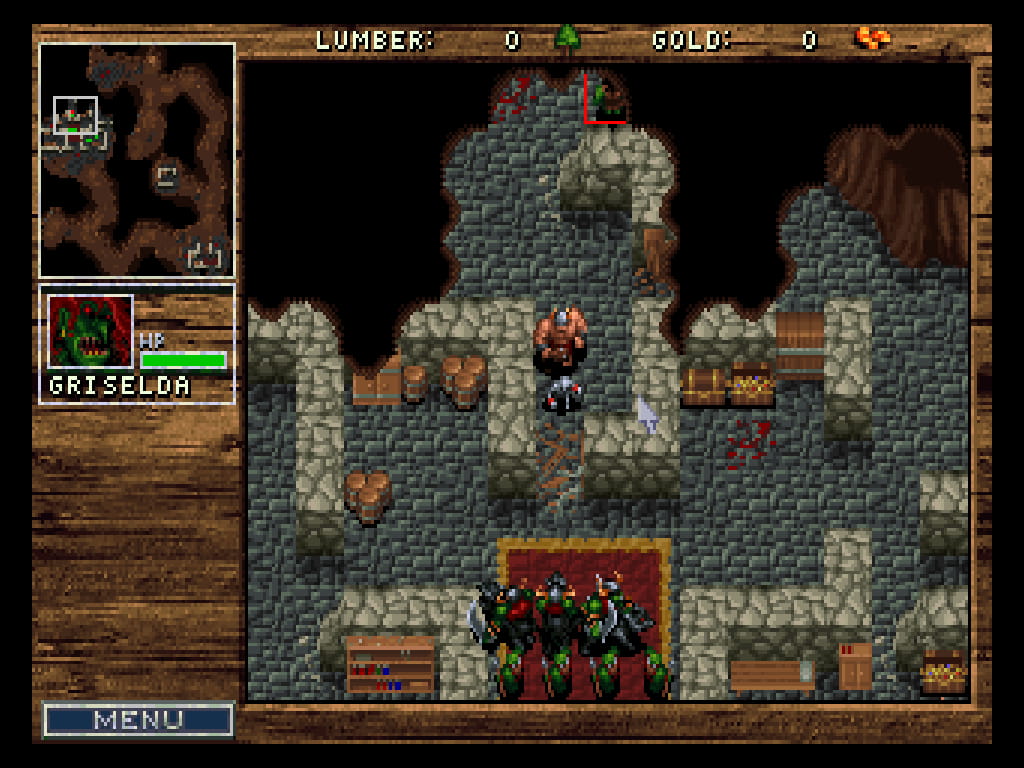
The orc commander enters the mines on a domestic errand with an exceptionally cruel order. Blackhand’s daughter Griselda has run away with Turok and his ogres. Her father wants her killed along with them. The two Dead Mines missions in the campaign guide give their commanders opposite responsibilities toward the people they find underground. A rescue on one side and an execution on the other give Blackhand and Lothar rather more character than a list of their battlefield victories would.
The first siege and the Guardian’s tower
Stormwind survived the Horde’s first major assault. Blizzard’s retrospective puts that attack three years after the opening of the portal and credits Lothar with repelling it. The distinction between the two assaults matters. A human victory at the gates gave the defenders time to act against Medivh. It also gave the surviving invaders time to regroup under a different leader.
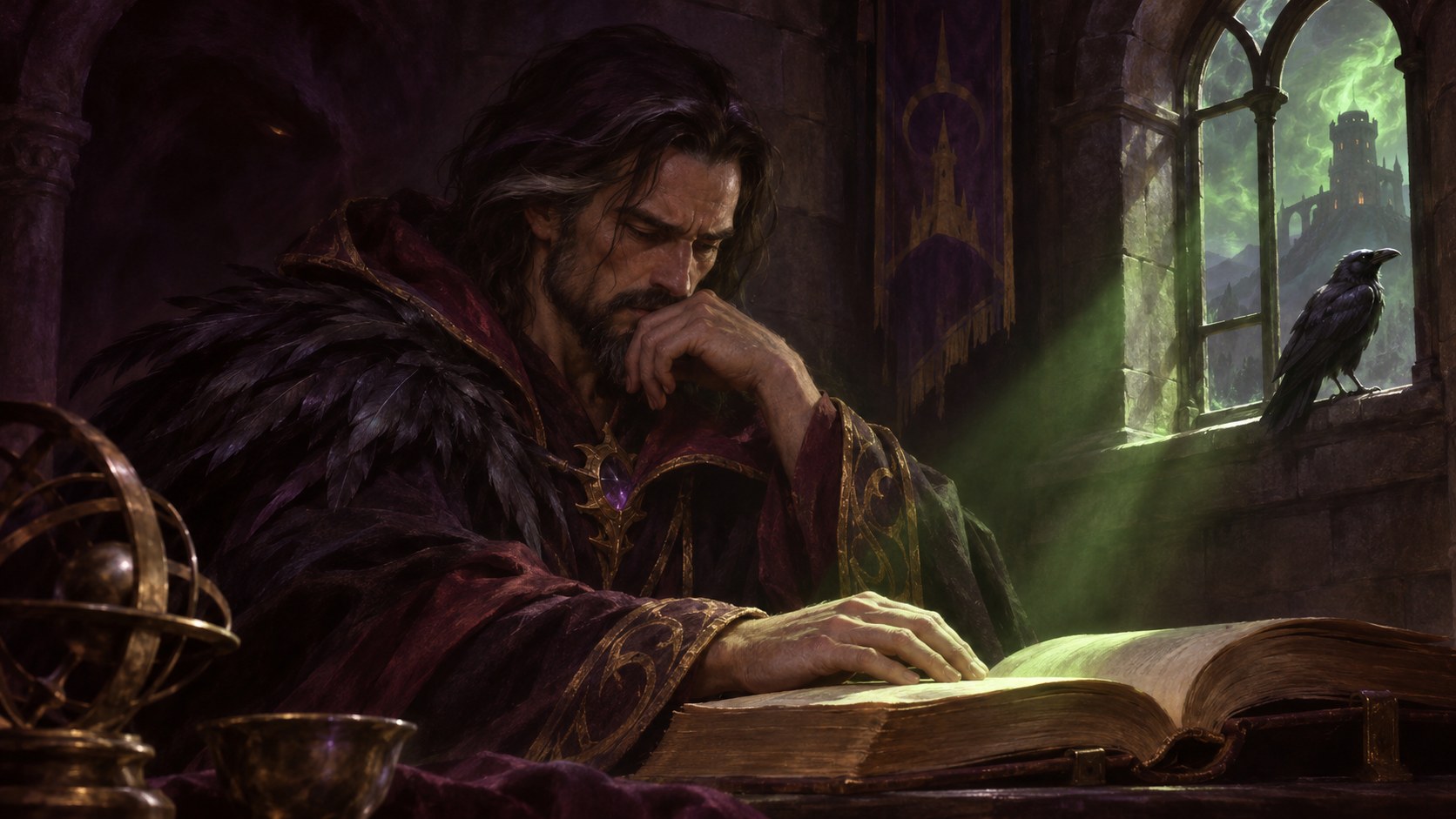
In the eighth human mission, the commander takes soldiers into Medivh’s tower. Later accounts give particular people the roles once filled by the player’s detachment. Jeff Grubb’s The Last Guardian follows Khadgar, the young apprentice sent from Dalaran to study under Medivh at Karazhan. There he meets Garona, whose knowledge of the orcs gives him someone to speak to about events beyond the tower. Visions in Karazhan let them witness things they cannot yet explain, including the death of Llane at Garona’s hands. Knowing what she has seen brings Garona no easy means of preventing it.
Khadgar brought his suspicions to Llane and Lothar. The resulting confrontation ended in Medivh’s death. Gul’dan, meanwhile, had been searching the Guardian’s mind for knowledge he wanted for himself. The shock left him unconscious when his political ally Blackhand most needed him. Killing Medivh ended his part in the invasion, but the orc forces already in Azeroth remained in the field.
A new warchief, an unwilling assassin
In the strategy game, the orc commander turns on Blackhand and destroys his outpost. The next briefing credits the Shadow Council with ordering Blackhand’s assassination and raising the player to warchief. The later history gives the succession a different political meaning. Orgrim Doomhammer challenged and killed Blackhand while Gul’dan was incapacitated. The new warchief had his own reasons to distrust the warlocks. He nevertheless intended to finish the campaign against Stormwind.
Garona’s part is easy to miss if you play only one side. The orcs rescue her at Northshire Abbey; a later human briefing announces that she has killed the king. Later accounts explain how someone trusted by Llane could do it. Garona remained subject to the Shadow Council’s coercion. When she murdered Llane during the siege, Stormwind lost both its ruler and the confidence that its defenses could hold. The city fell to Doomhammer’s Horde. The circumstances differ in the Warcraft film, which tells its own version of Llane and Garona’s story.
Which ending survived?
The human campaign continues after Llane’s death. Its commander attacks the orc settlements of Rockard and Stonard and finally advances on Black Rock Spire. The orc campaign ends at Stormwind Keep. The full mission lists are best read in parallel. They offer two possible military victories, each earned by a player commanding a different army. Llane’s assassination in the successful human campaign is a particularly good reason to resist labeling that entire campaign noncanonical. Later Warcraft kept the assassination and discarded the victory that followed it.
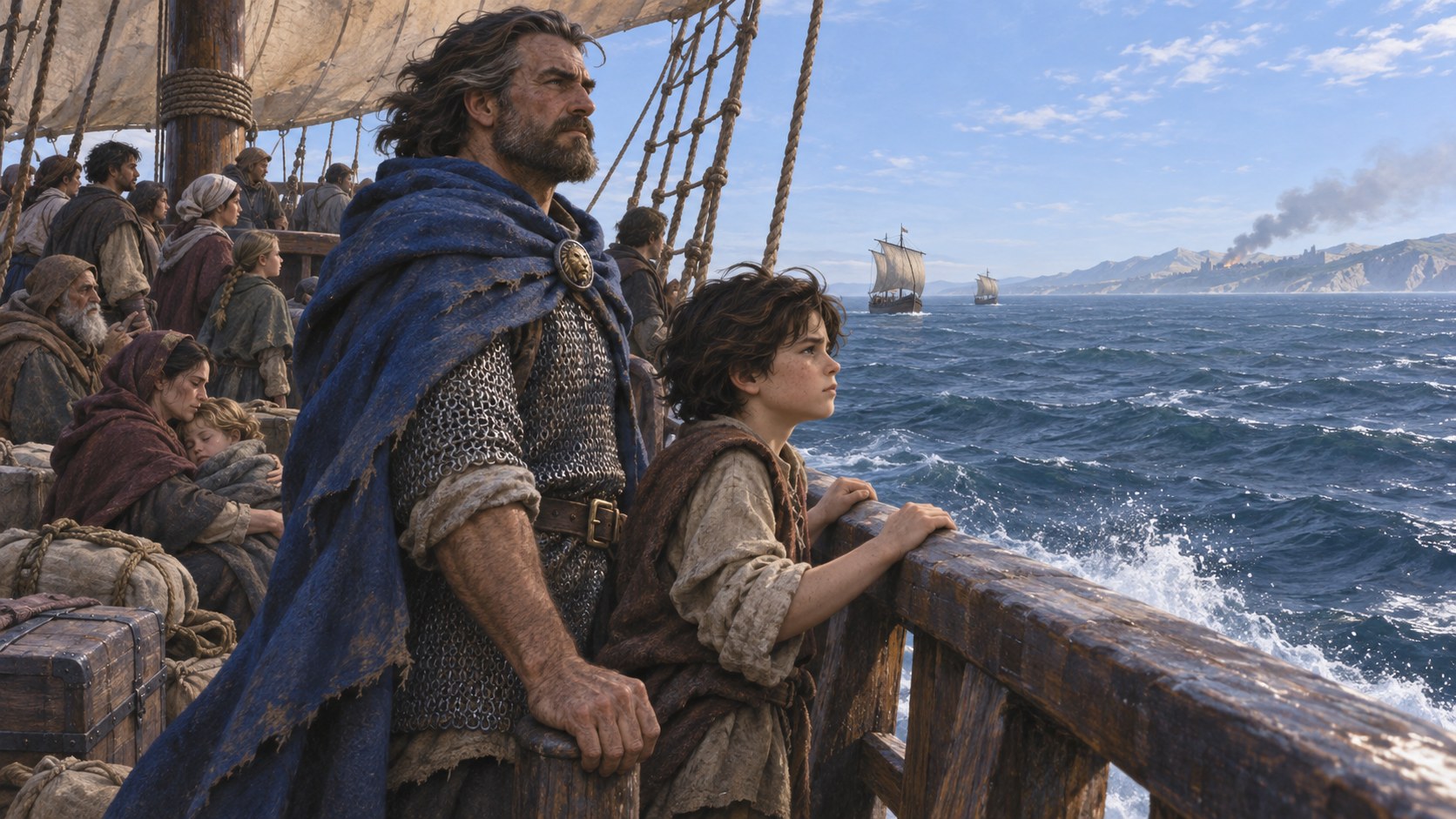
The opening of Warcraft II leaves the fate of the capital in no doubt. Lothar led survivors north by sea, taking the young prince Varian Wrynn away from the kingdom his father had ruled. In Lordaeron, King Terenas Menethil had to decide how to respond to an army that had already destroyed another human capital. The refugees could describe its leaders and fighting methods from experience. Their arrival gave the northern kingdoms an urgent reason to organize a common defense.
For a returning WoW player, it is worth taking a moment on the road into Stormwind. The walls in front of you belong to a city that was rebuilt. Varian lived long enough to return because people got him out when its first defenses failed. The original game lets a human commander win the war at Black Rock Spire; the subsequent history gives Lothar a harder achievement, and one on which the future of Stormwind depended. He got its survivors to safety, including the boy who would one day rule the rebuilt city.
The cover, Karazhan scene and northern evacuation are original AI-generated editorial illustrations. The three gameplay screenshots come from the GOG gallery for the original Warcraft: Orcs & Humans.