When Warcraft III: The Frozen Throne arrived on July 1, 2003, Blizzard called it an expansion. In practice, it was closer to a second half: more than two dozen story missions, a fourth hero for every faction, new units and shops, neutral heroes, a redesigned multiplayer economy and a stronger World Editor. It completed Arthas’s transformation, but also drew the political map on which World of Warcraft would open sixteen months later.
An expansion built like a sequel
Blizzard announced The Frozen Throne in January 2003, only half a year after Reign of Chaos. Producer Bill Roper said the aim was an expansion with the transformative force of Brood War or Lord of Destruction. The comparison proved fair. The box contained three full linear campaigns—Night Elf, Blood Elf and Undead—plus the first act of an experimental Orc adventure. Its last two acts arrived free in December 2003.
Every melee faction received a hero, new units and a buildable item shop. Taverns let any race hire neutral heroes; Marketplaces sold changing stocks of treasures; the Backpack upgrade allowed ordinary units to carry items. Five tilesets—Sunken Ruins, Outland, Icecrown Glacier, Dalaran Ruins and Black Citadel—pushed the story far beyond the forests and villages of the original.
Four campaigns, one world in motion
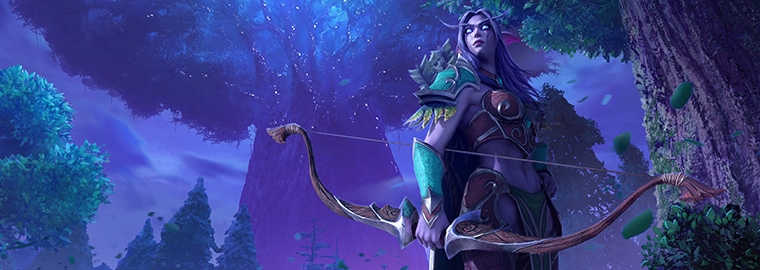
Terror of the Tides follows Maiev Shadowsong as she hunts Illidan through coastal ruins and the drowned remains of ancient Suramar. She discovers the naga, reunites uneasily with Tyrande and Malfurion, and reaches Dalaran as Illidan tries to break Northrend with the Eye of Sargeras. Prison chase becomes naval expedition, then a race through collapsing ruins.
Curse of the Blood Elves changes perspective to Kael’thas. His survivors are treated as expendable by Grand Marshal Garithos while their dependence on magic becomes an illness. Lady Vashj offers the aid the Alliance refuses. Kael breaks with Garithos, crosses into Outland and joins Illidan. In a few missions, Warcraft gains the blood elves and the political foundation of much of The Burning Crusade.
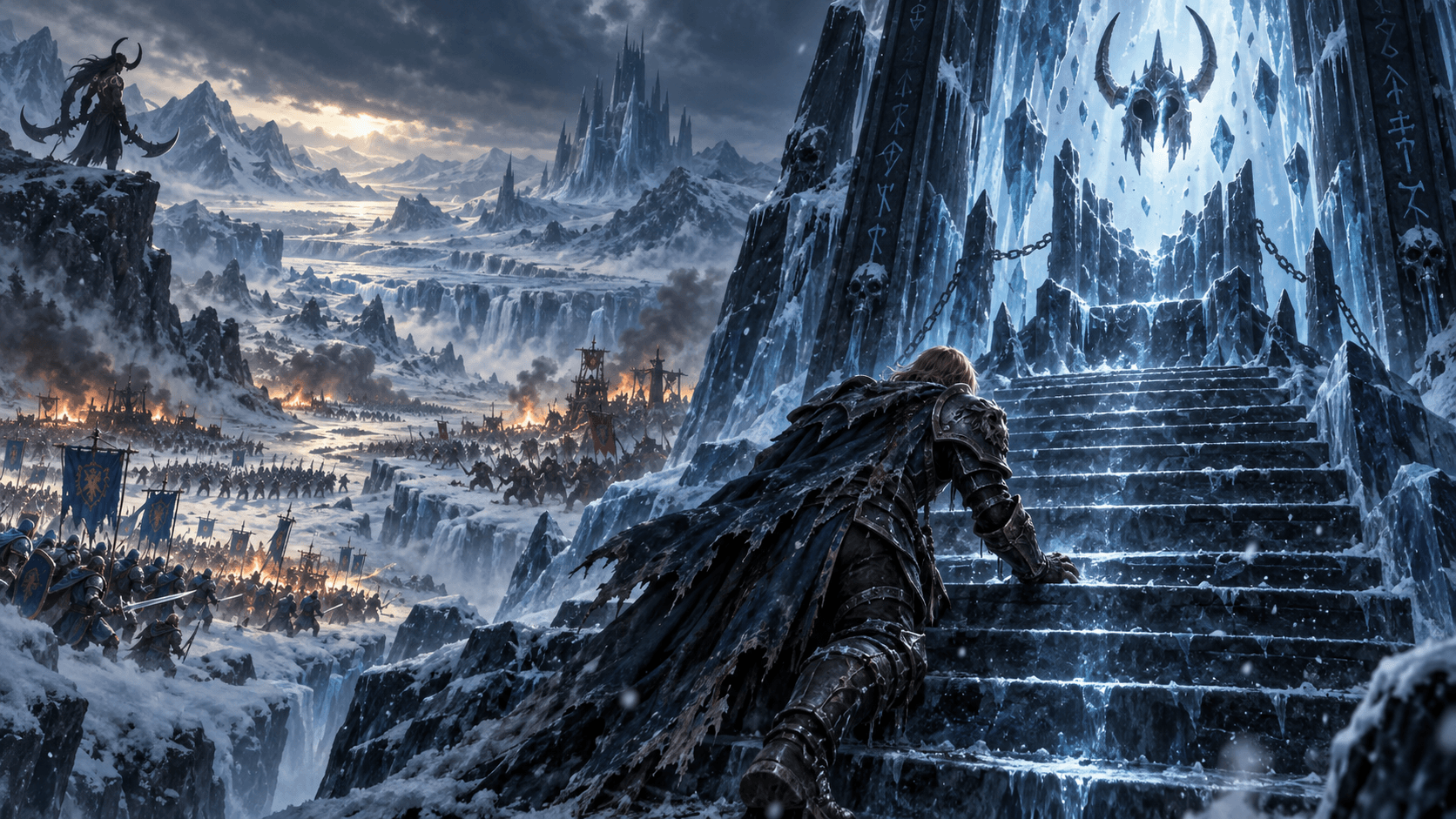
Legacy of the Damned returns to Arthas, now vulnerable because the Lich King is weakening. Sylvanas and the dreadlords seize Lordaeron while he races through Azjol-Nerub to Icecrown. Arthas defeats Illidan, breaks the frozen prison with Frostmourne and takes the Helm of Domination. His victory is stripped of celebration: the prince reaches the throne with almost nothing human left to receive it.
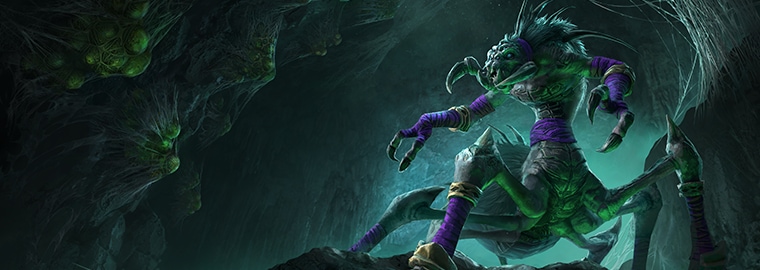
The achievement is not only plot. GameSpot praised the campaign’s variety because standard “build a base and destroy theirs” missions are relatively rare. Players command separated armies, escort fragile forces, work under timers and solve dungeon-like encounters. The campaign becomes a design anthology rather than a long multiplayer tutorial.
How it changed the battlefield
Classic Warcraft III already revolved around heroes and small armies. The expansion sharpened that identity. Blood Mages, Shadow Hunters, Wardens and Crypt Lords expanded each faction’s tactics. Spell Breakers stole magic, Obsidian Statues sustained undead armies, Spirit Walkers spread damage through Spirit Link, and Faerie Dragons punished spellcasters. Mountain Giants and new air units countered dominant strategies without erasing faction identities.
Upkeep thresholds and the food cap rose, armor relationships were revised, and early defenses made hero rushes less oppressive. Shops turned consumables and town portals into regular planning. Taverns made the map itself strategic: access to a Dark Ranger, Beastmaster or Pandaren Brewmaster could reshape an opening before the main armies met.
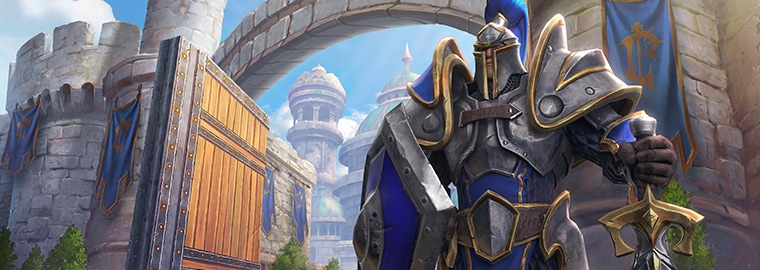
Battle.net added clans, automated tournaments and new maps. Contemporary reviews treated the result as the definitive Warcraft III: GameSpot scored it 9.2/10, while Metacritic records an 88/100 critic average. By August 2003, Blizzard reported one million copies sold.
The Founding of Durotar: an MMO in miniature
The strangest campaign may be the most prophetic. The Founding of Durotar removes almost all base building and gives players Rexxar, Rokhan and Chen Stormstout as a persistent party. They take quests, cross connected maps, enter dungeons, collect equipment and return to settlements whose problems are political as often as military.
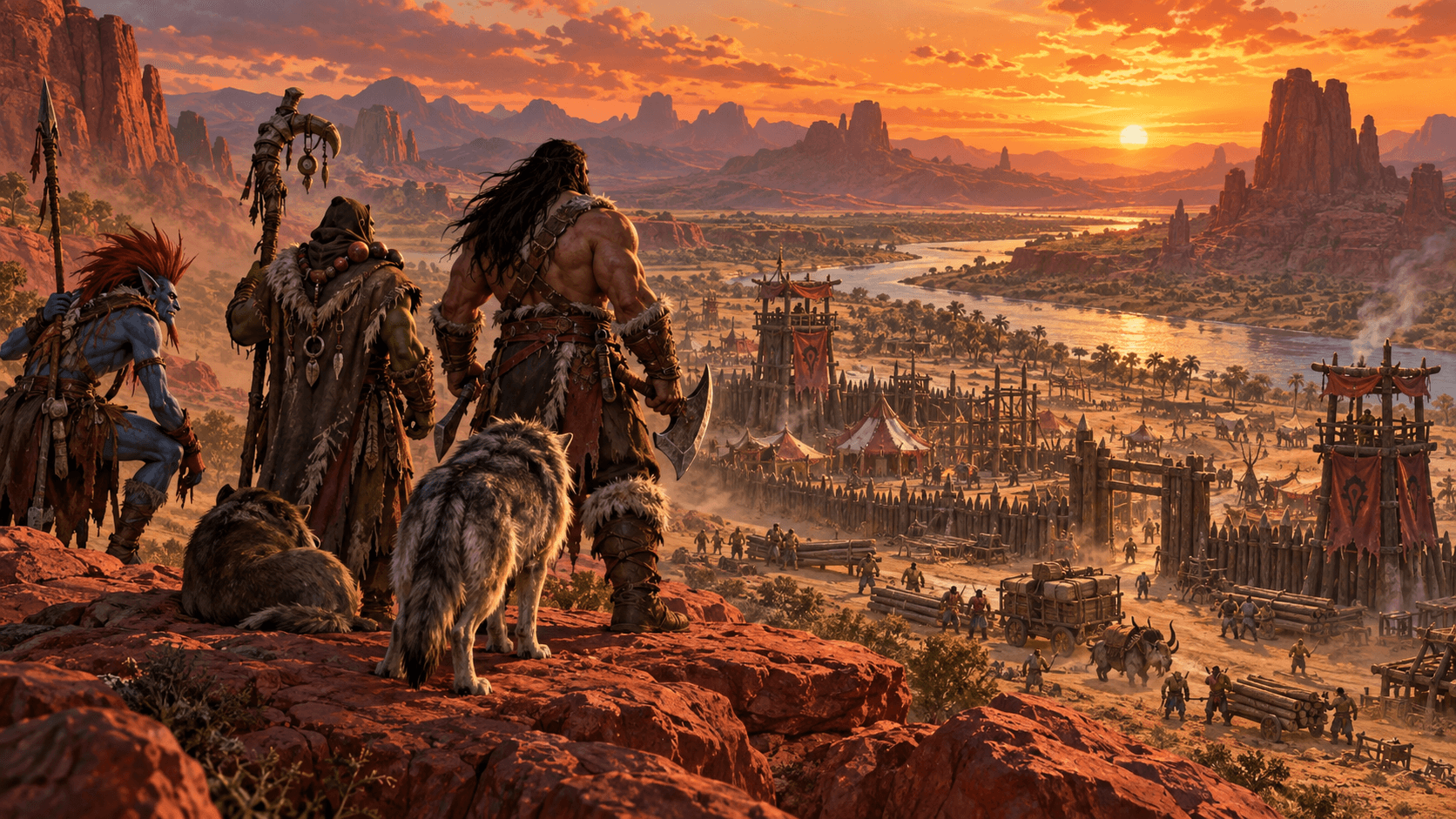
It is not literally a prototype of World of Warcraft, but the resemblance is striking: named quest givers, regional hubs, persistent heroes, loot and a community built through local stories. Narratively, it establishes Durotar, deepens Thrall’s new Horde and asks whether Admiral Daelin Proudmoore’s old hatreds will govern the new world. In 2026 Blizzard still cited Rexxar’s adventure as the model for the “soft-open” RPG structure of Forsaken Kingdom.
The bridge to World of Warcraft
Reign of Chaos saved the world. The Frozen Throne decided who would live in it. The Forsaken claim Lordaeron. Kael’s blood elves leave the Alliance’s orbit. Illidan, Vashj and Akama take Outland. Thrall’s people build beside Theramore. Arthas becomes the Lich King in Northrend.
These became the factions and destinations of early WoW. The Burning Crusade returned to Illidan, Outland, Kael and the blood elves; Wrath of the Lich King completed the story begun on Icecrown’s staircase. Blizzard later promoted Reforged as a chance to witness the events that formed the Alliance and Horde recognized by MMO players. The RTS expansion had become the MMO’s historical foundation.
The editor that escaped the game
The improved World Editor could alter abilities, objects and triggers and package several maps as a custom campaign. That toolset carried the game far beyond Blizzard’s missions. Most famously, the Defense of the Ancients lineage flourished in The Frozen Throne, turning Warcraft’s heroes, items, lanes and creeps into the grammar of the modern MOBA.
That legacy reveals the expansion’s central strength: Blizzard built systems that could be recombined. The campaign used them for cinematic strategy and action-RPG experiments; competitive players found new openings in taverns and shops; mapmakers created genres the box never promised.
Why the throne still matters
Some parts have aged. Pathfinding can be obstinate, the camera is tight, and rapid plot shifts sometimes leave characters with more momentum than reflection. The original release also sits behind the complicated history of Reforged.
Yet the design remains unusually generous. The Frozen Throne treats competitive balance, single-player spectacle and amateur creation as equally important forms of play. Its final scene closes Arthas’s tragedy, while the rest keeps opening doors—to Outland, Durotar, the Undercity, custom worlds and genres that did not yet have names. It did not merely finish Warcraft III. It taught Warcraft how to continue.
Sources
- Blizzard: Warcraft III — The Story So Far - Blizzard: Warcraft III: Reforged is Now Live - Classic Battle.net: neutral heroes - GameSpot review, July 2, 2003 - GameSpot interview with Bill Roper - Metacritic review archive - Blizzard: Forsaken Kingdom panel recap