
For years, an ordinary trip across Azeroth could end at a locked entrance. A mountain pass stopped before Hyjal. A quest sent adventurers to Uldum and left them outside. Flights over Dun Morogh revealed an airfield that offered no obvious way down. Players remembered those places because the game had given them enough detail to ask what came next.
World of Warcraft: Forever makes some of those questions relevant again. Blizzard has announced new adventures in familiar, underused territory alongside entirely new destinations. The distinction matters. An empty space on an old map, an unfinished dungeon and a city represented by scenery require different kinds of work before they become somewhere worth playing.
As of Oct. 1, 2026, Forever is in beta ahead of its Nov. 4 launch. The opening test covered low-level content, including the Hall of Thanes and Ruins of Lordaeron. That does not establish that every announced region is already available to testers. The account below distinguishes announced content, places developers have discussed without committing to them, and our own suggestions. Blizzard’s announcement and beta overview establish that starting point.
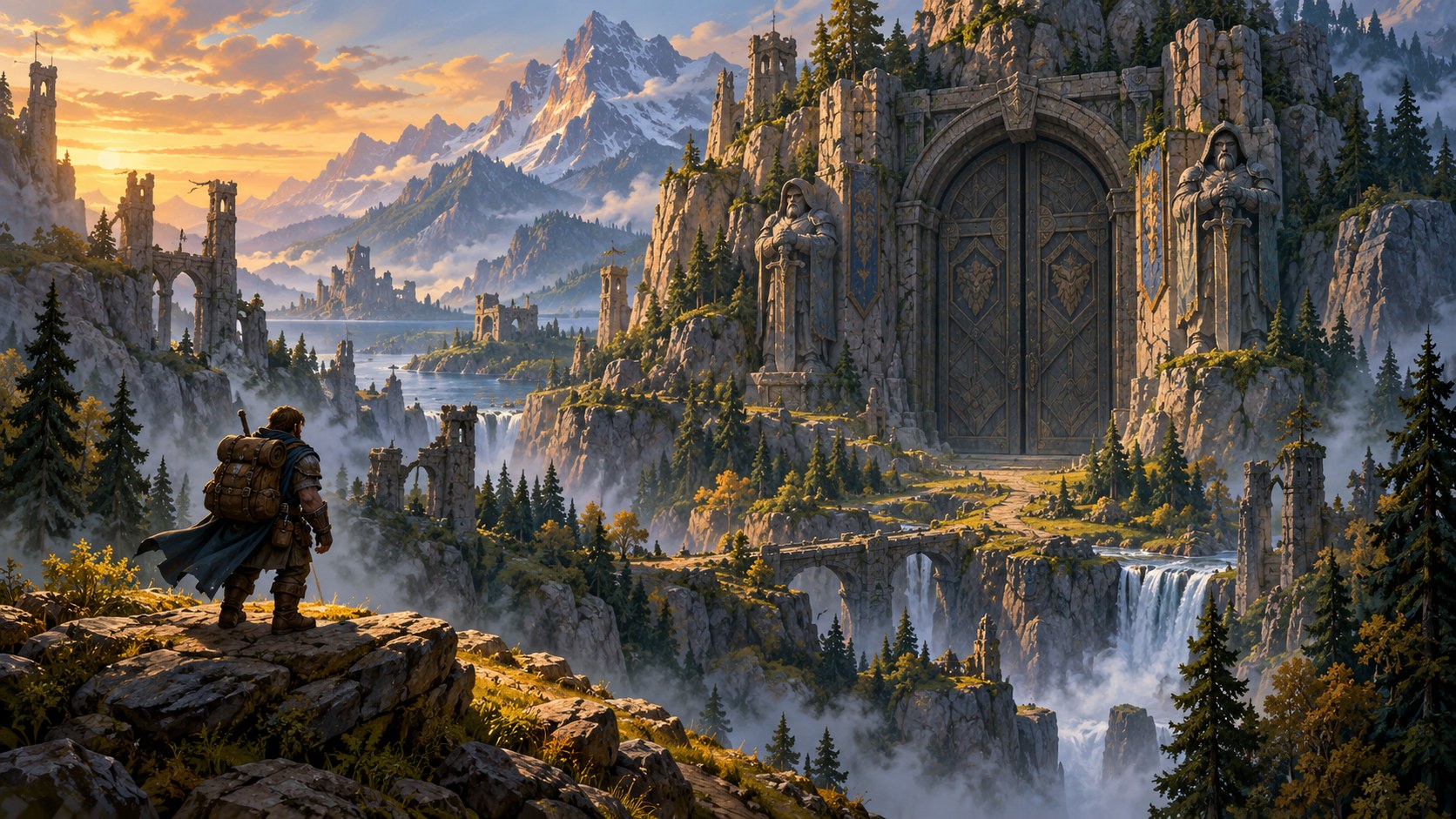
Cover: An imagined expedition toward a sealed mountain gateway. Original AI-generated Azeroth Chronicle illustration; it does not depict an announced game location.
What was really unfinished in the original world
Old Azeroth invites a tempting assumption. If a door has a name and a substantial building behind it, there must once have been a nearly finished adventure inside. Development history is less tidy. Environments could exist before quests were assigned to them. Some scenery was built to look convincing from a flight path. Other areas were substantial spaces that never received a reason for players to visit.
Level designer John Staats described an excess of crypts, cellars and unfinished spaces around Karazhan in a 2019 interview. He also explained that remote locations could make content harder for casual players to reach. The presence of geometry was only one part of the decision to ship an area. Staats’ interview with AIPT is a useful corrective to stories about whole expansions hidden behind sealed doors.
Forever’s announced approach gives these places another use. Its world retains a level-60 ceiling, without flying or level scaling. Geography therefore affects the journey. Where a road enters a region, where players find a safe town, and whether nearby quests justify the trip can matter as much as the size of the map. Those are the terms on which these additions should be judged. Blizzard’s What’s Next recap describes the world’s rules and announced destinations.
Mount Hyjal gets a life after the battle
Forever status: Announced outdoor region, with associated endgame content.
Hyjal was one of vanilla WoW’s most memorable inaccessible landscapes. Its terrain existed, and explorers documented an abandoned version of the mountain, including Archimonde’s remains. The Burning Crusade subsequently used the Battle of Mount Hyjal as a raid, while Cataclysm made the mountain an outdoor questing region. Those versions answered different questions about the same place. Warcraft Wiki’s Hyjal history records those changes.
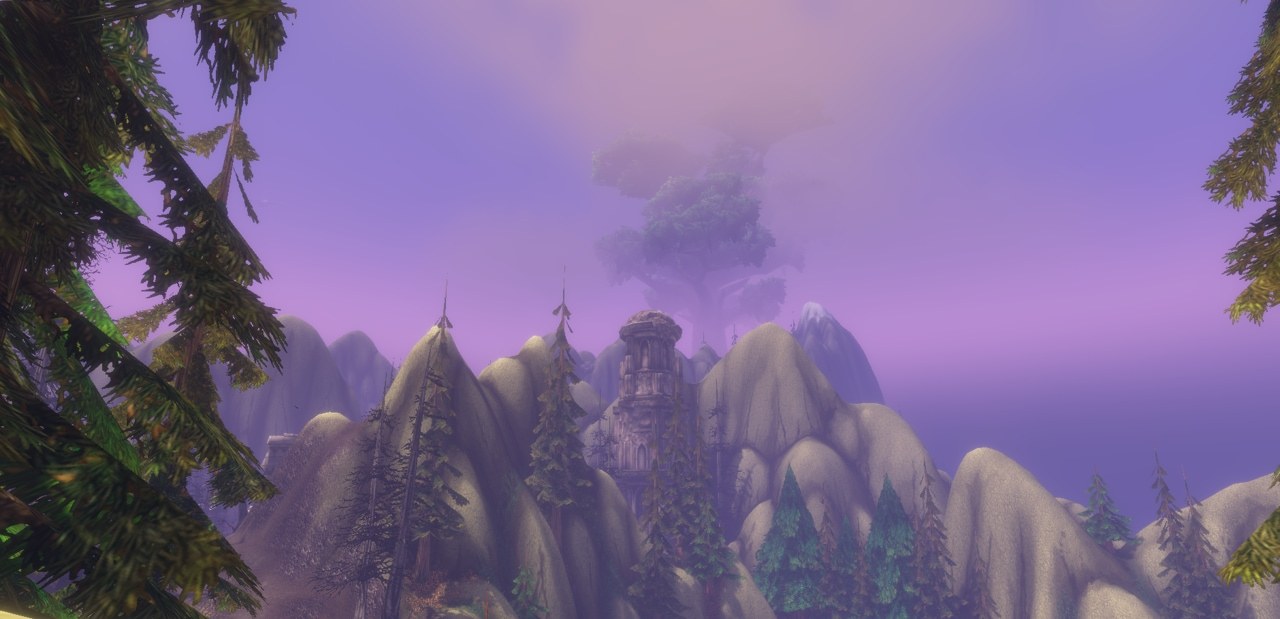
Forever returns to the aftermath of the battle and a landscape recovering from it. Blizzard has also named Hyjal Summit and the Barrow Deeps as raids. That gives the mountain a broader role than a distant landmark or a single entrance at the end of a road.
The interesting design opportunity is continuity between outdoor exploration and organized groups. A player could learn the mountain’s paths, encounter its threats while questing, and later return with a party or raid. A region gains meaning when its difficult destinations belong to terrain that players already understand.
There is a risk in making a famous place chiefly an endgame address. If the surrounding land merely sends everyone to an instance portal, opening the gate will have delivered less than the landscape suggests. Hyjal’s success should depend partly on whether the journey has value before a character qualifies for its largest encounters. That is an assessment to make through play, rather than something a preview image can settle.
Shen’dralas gives western Kalimdor another route
Forever status: Announced outdoor region.
Shen’dralas deserves care in any discussion of “restored vanilla.” The newly announced zone has its own identity. Its name resembles Shen’dralar, the Highborne associated with Dire Maul, but the zone and the group are different things. Calling it a finished vanilla region recovered from storage would claim more than the announcement establishes.
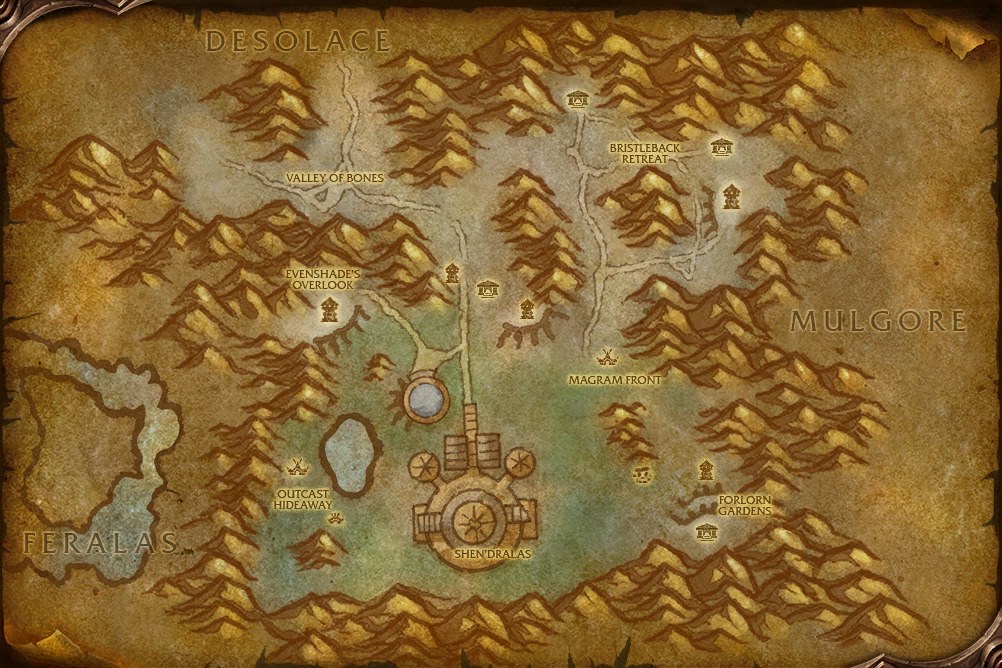
Blizzard places Shen’dralas between Mulgore and Desolace, with an approach through the Valley of Bones. Its connections to Eldre’Thalas and the centaur extend into changes to Desolace’s questing. Those details appear in the Found Photos panel recap.
Its position may be more consequential than its name. A new destination here can encourage players to spend longer in western Kalimdor instead of treating neighboring regions as brief stops before another long journey. The value would come from useful connections between existing settlements and new objectives. A mountain crossing that saves a journey, a quest that begins in an established camp, or a reason to revisit a neighboring dungeon could make the addition feel integrated.
Those examples are design possibilities, rather than announced features. They also provide a fair way to evaluate the finished zone. Attractive ruins will make good screenshots, but a route that offers a credible alternative for another character will keep paying off. Shen’dralas could demonstrate how much a new region can contribute without requiring a new continent.
Riverglades fills a real space between familiar regions
Forever status: Announced outdoor region aimed at the middle levels.
Riverglades occupies previously inaccessible territory bordering the Burning Steppes, Redridge Mountains, Swamp of Sorrows and Badlands. It belongs to the southern Eastern Kingdoms. Its placement should not be confused with the unused country around the northern human kingdoms. Blizzard describes a large region with extensive questing, including the goblin settlement of Powderfuse Port and shipping connections to Tanaris. The Found Photos recap provides that geography.
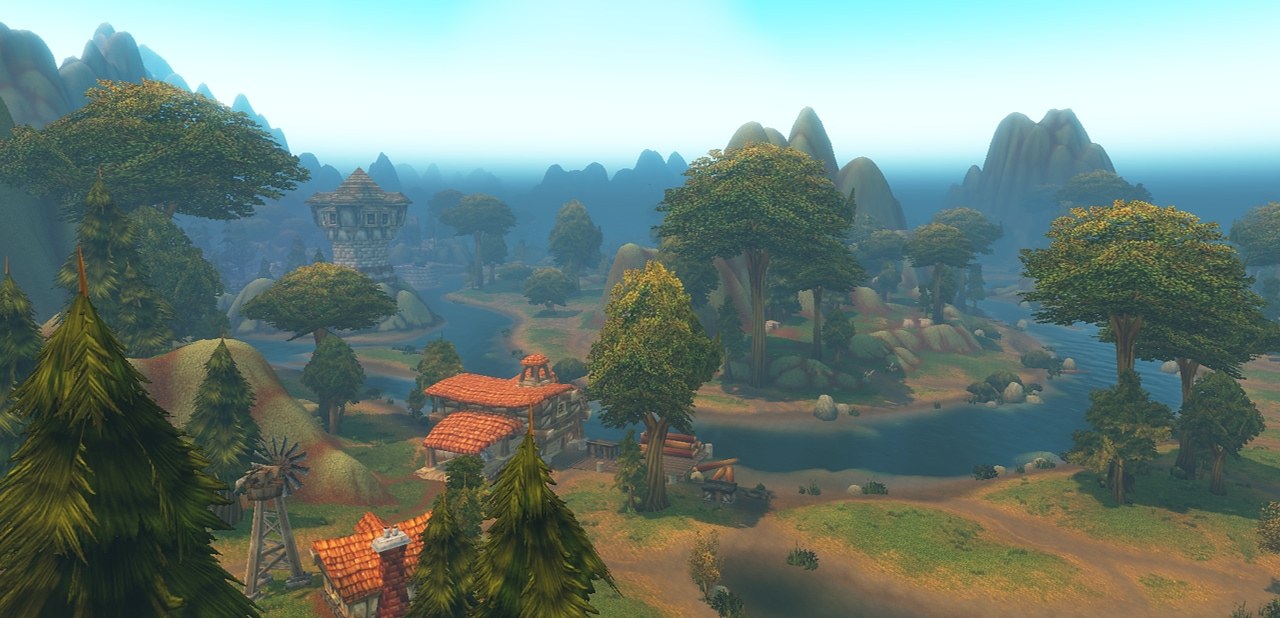
The official presentation puts Riverglades around the mid-30s to mid-40s. Another small detail makes its purpose more tangible. In a Sportskeeda interview with Kris Zierhut and Michael Nuthals, Nuthals mentions Sunnyglade, a ruined town drawing on Warcraft I. A new WoW landscape can therefore contain places that were absent from the MMO while remaining familiar from the earlier games.
Riverglades has a strong case for being the most consequential of these additions for repeat leveling. Its intended range comes well after the opening zones, when players have invested in a character and are choosing where to spend longer stretches of time. An alternative here can change an entire leveling itinerary.
The number of quests will tell only part of that story. Their distribution matters. If settlements offer several directions of travel, players can choose based on their level, companions or professions. If most tasks funnel everyone down one long sequence, the extra acreage may provide less freedom than expected. Riverglades will be especially interesting to revisit on a second character, once the novelty of seeing the land has worn off.
Old Ironforge leads to the Hall of Thanes
Forever status: The Hall of Thanes is a confirmed dungeon included in the opening beta.
Old Ironforge existed beneath the city long before players received ordinary access. Patch 4.1 opened it during Cataclysm, with Magni’s transformed body among its defining sights. That history is separate from the much earlier, multilevel layouts of Ironforge seen during development. Combining every unused dwarven chamber into one canceled megadungeon makes a better rumor than a reliable account. Warcraft Wiki documents Old Ironforge and its eventual opening.
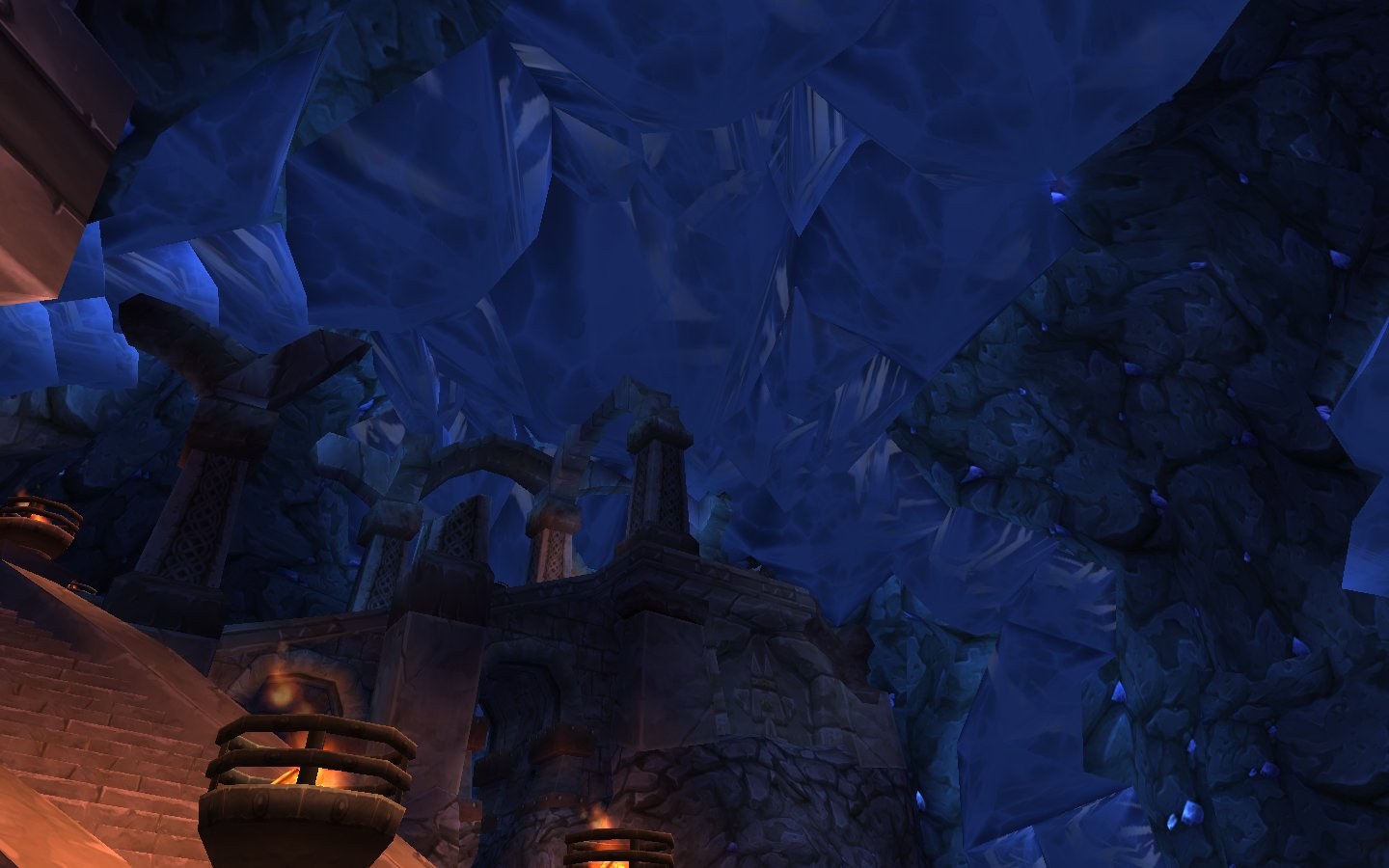
Forever’s Hall of Thanes turns the underground city setting into a group destination. The beta overview places it at levels 13–18. Its inclusion in the opening test makes it one of the clearest examples here of a new adventure moving beyond a panel announcement.
An early dungeon beneath a capital can establish a different relationship with that city. Players who have been buying spells or managing their bags upstairs can discover that the same place also contains a substantial expedition. The journey to the entrance becomes easier to explain to a new group, while the surrounding city gives people reasons to linger before or afterward.
Accessibility need not mean an effortless dungeon. Shorter preparation and travel can leave more of an evening for learning pulls, recovering from mistakes and finishing the run. The challenge for the Hall of Thanes is to make its rooms memorable in play, while preserving the feeling of descending beneath an inhabited city. Its placement already gives it an advantage that a remote entrance must work harder to achieve.
Lordaeron expands a place players already knew
Forever status: Ruins of Lordaeron is a confirmed dungeon included in the opening beta.
The surface ruins above Undercity were accessible in original WoW. Players crossed the courtyard and throne room on the way below, and the setting contained details such as ghostly inhabitants visible through detection effects. Describing all of Lordaeron as an unopened zone would erase those visits. The opportunity lies in expanding a place whose playable footprint was much smaller than its history and skyline suggested. Warcraft Wiki’s account of the ruins distinguishes their different versions.
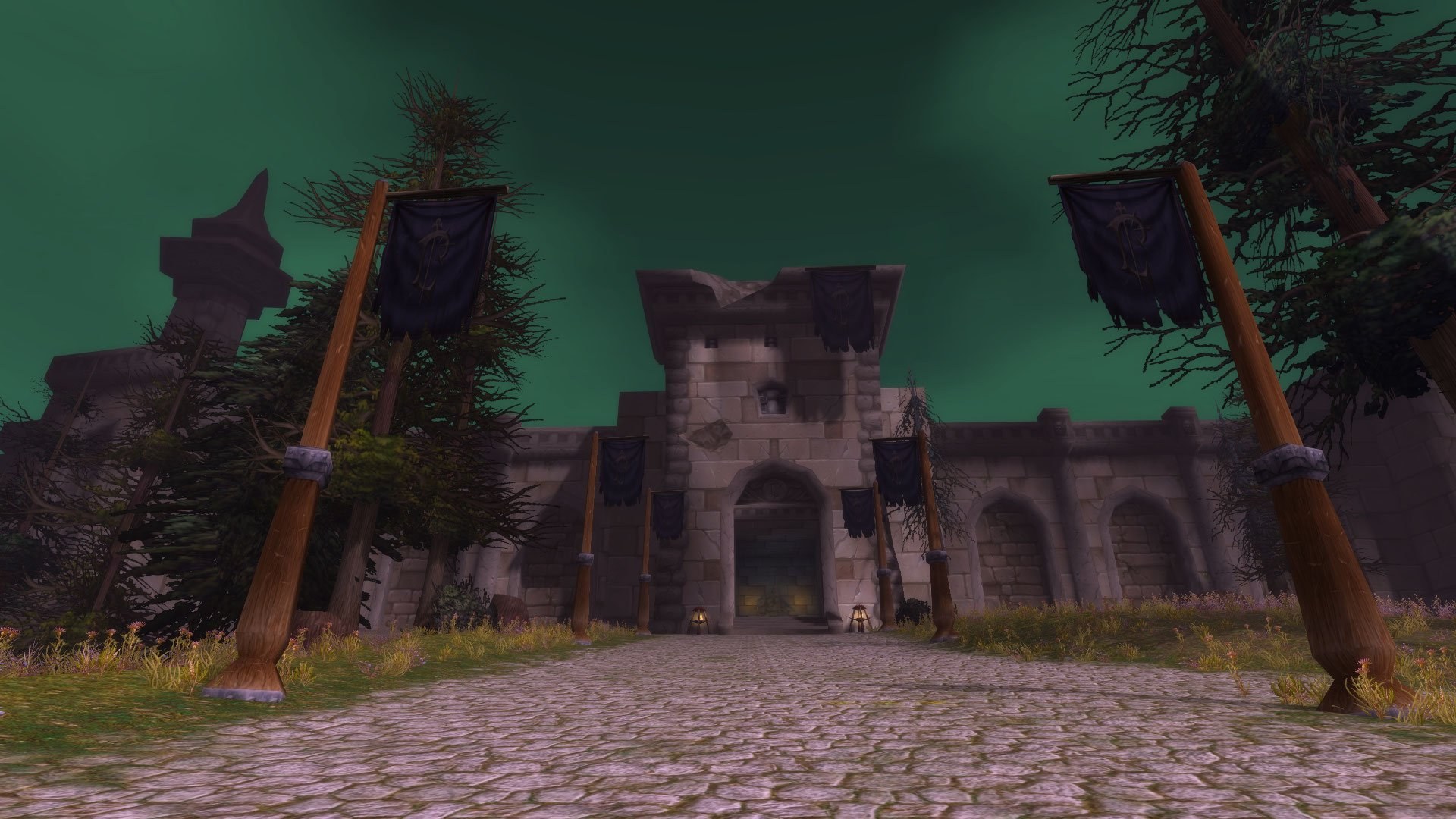
Blizzard’s new dungeon concerns Forsaken efforts to reclaim the ruins. Its opening-beta range was levels 15–20. That makes it relevant during the early part of a character’s development, rather than reserving the capital’s unexplored spaces for a distant raid tier.
This is a useful counterpart to the Hall of Thanes. Both build group adventures close to places players already use. They can make the capitals feel larger without making the ordinary business of visiting a trainer more complicated.
Lordaeron also presents a visual challenge. Familiarity is an advantage only if the new spaces give players something to recognize and then understand differently. A dungeon that repeats generic corridors would waste much of the setting’s value. Streets, courtyards and changes in elevation could instead help groups remember where they are and how they reached it. That is our design expectation, not a description of an unverified dungeon layout.
Dalaran turns the sealed city into an adventure
Forever status: City of Dalaran is an announced dungeon.
Vanilla Dalaran’s enormous magical dome was unusually effective at encouraging speculation. It suggested a whole city just beyond view. The original area behind it was empty; the complete floating city players later knew arrived with Wrath of the Lich King. The dome concealed an absence of playable city space, rather than a finished capital awaiting a switch. Warcraft Wiki’s original Dalaran entry explains the transition.
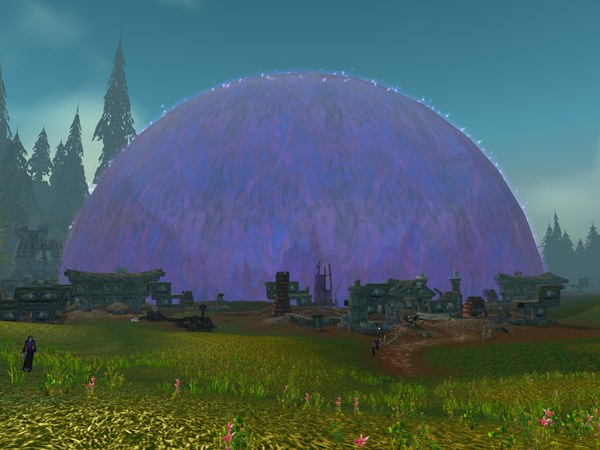
Forever names the City of Dalaran among its new dungeons. Players should therefore expect a defined adventure, based on what has been announced, rather than assume that Northrend’s shared capital is moving south as a full service hub.
The smaller format offers an advantage. A dungeon can concentrate on the experience of entering a place that was once closed, without having to accommodate every vendor, profession service and gathering spot expected of a capital. It can reveal districts gradually and make movement through the city part of the encounter design.
The strongest version would give Dalaran a recognizable internal geography. Players ought to remember a route through the city, rather than only a sequence of boss rooms. That would answer the old curiosity about what lay beneath the dome while establishing a location worth returning to. For now, the announcement establishes the destination and format; it leaves the quality of that journey to be demonstrated.
Gilneas has developer interest, without a date
Forever status: Discussed by developers as a future possibility; no scheduled opening established by the sources cited here.
The Greymane Wall made Gilneas an unusually clear omission in original WoW. Players could approach the border in southern Silverpine, but ordinary travel stopped there. Cataclysm eventually opened Gilneas through the worgen starting experience. Its later realization does not prove that the original client once contained the same complete kingdom. Warcraft Wiki’s Greymane Wall history supplies the geographical context.
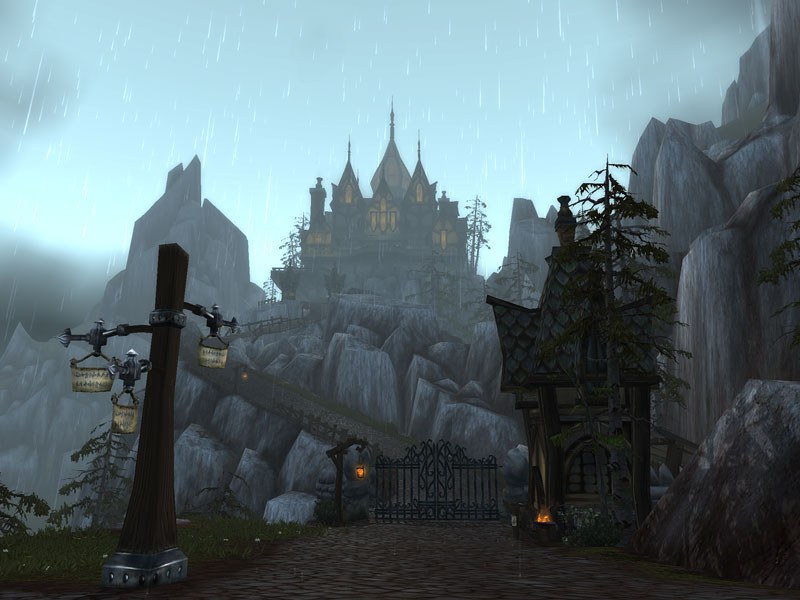
In the Sportskeeda interview, Nuthals discusses visiting Gilneas before the Cataclysm. The exchange presents longer-term possibilities and explicitly avoids promises. That gives Gilneas a stronger basis for discussion than a purely editorial wish list, while leaving its timing and implementation unresolved.
Recent ForeverDB reporting on the beta client also describes Gilneas map records and player footage from inside the closed area. That is evidence of assets and terrain in the test build. It does not establish a release date, a complete quest campaign or playable worgen. The old habit of treating visible scenery as finished content would be particularly misleading here.
Our case for Gilneas rests on how much it could add to travel and leveling in the northern Eastern Kingdoms. A substantial region south of Silverpine could offer another route through that part of the continent. It could also support a smaller initial opening followed by later additions, provided the first release offered a satisfying destination on its own.
There is no need to assume that Forever would reproduce the Cataclysm campaign. The interesting possibility is a different set of adventures in a familiar geographical position. Until Blizzard specifies the content, that remains the reason to watch Gilneas rather than a reason to put it on a release calendar.
Uldum could finish an old journey to a locked door
Forever status: Discussed by developers as a long-term possibility; unannounced as scheduled content.
Uldum gave players more than an intriguing gate. The original quest chain sent them to southern Tanaris with information from Uldaman. A projection at the entrance explained that the miniature discs were insufficient and that the Plates of Uldum were required. The investigation continued in dialogue without delivering an expedition inside. The preserved Seeing What Happens quest text records that encounter.
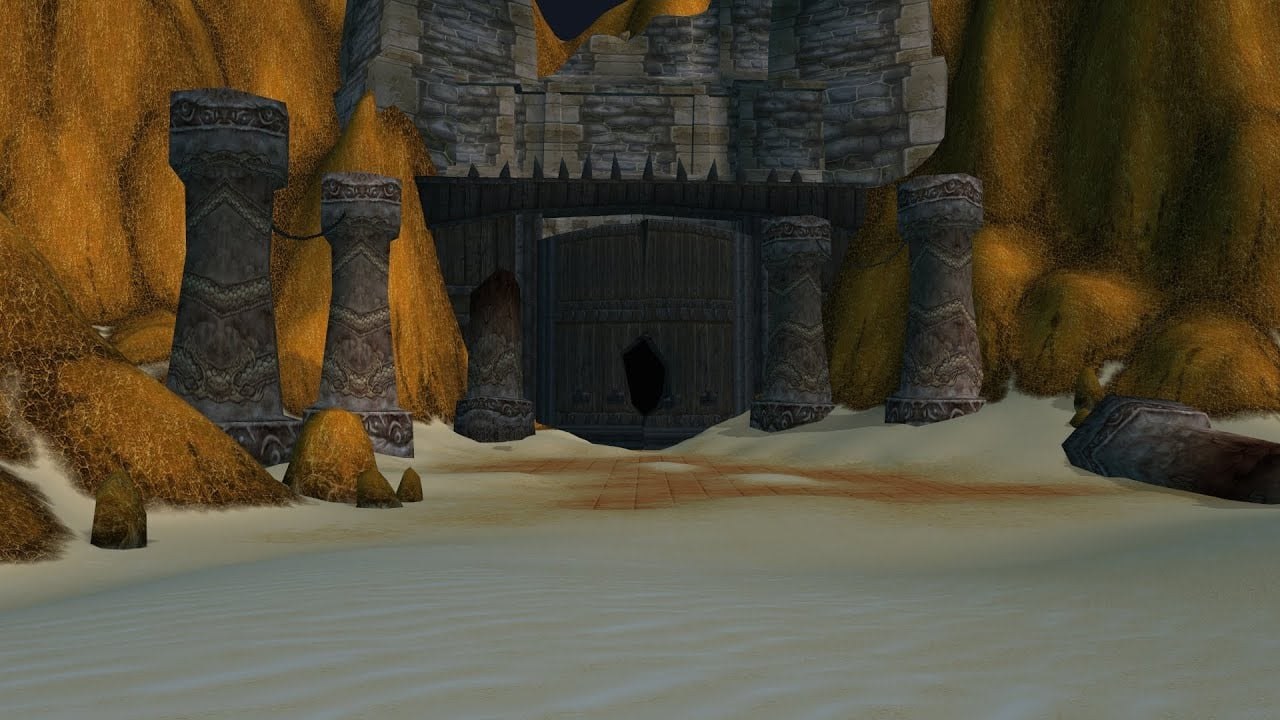
Nuthals specifically recalled the disappointment of reaching that door in the Sportskeeda interview. He raised a pre-Cataclysm version of Uldum as a possible future adventure, while stressing that these ideas were not promises. Forever has therefore supplied a reason to revisit the discussion, without establishing what would be built.
Uldum’s strongest advantage is the existing approach. A future adventure could begin with something players already have a reason to investigate. Connecting the entrance to an earlier dungeon, an expedition or a series of outdoor discoveries would give the opening a sense of earned progress. These are possible structures, not announced requirements.
Its largest design risk is scale. The word Uldum now carries expectations shaped by later WoW. A smaller archaeological complex could satisfy the original quest more directly than a huge outdoor region, but would need to communicate that purpose clearly. Conversely, a full zone would need enough routes and activities to justify the journey beyond the moment when the door finally opens. Either could work; the name alone cannot decide between them.
Karazhan’s crypts already have a modern precedent
Forever status: No Forever version confirmed in the announcements reviewed here. A playable version already exists in Season of Discovery.
The crypt behind Karazhan became famous through exploration of its closed passages and disturbing chambers. It is distinct from simply descending beneath the raid tower. Later WoW used the space, including its connection to the Lucid Nightmare secret in Legion. That history complicates any claim that the crypt has remained untouched since vanilla. Warcraft Wiki’s Forgotten Crypt entry follows its changing accessibility.
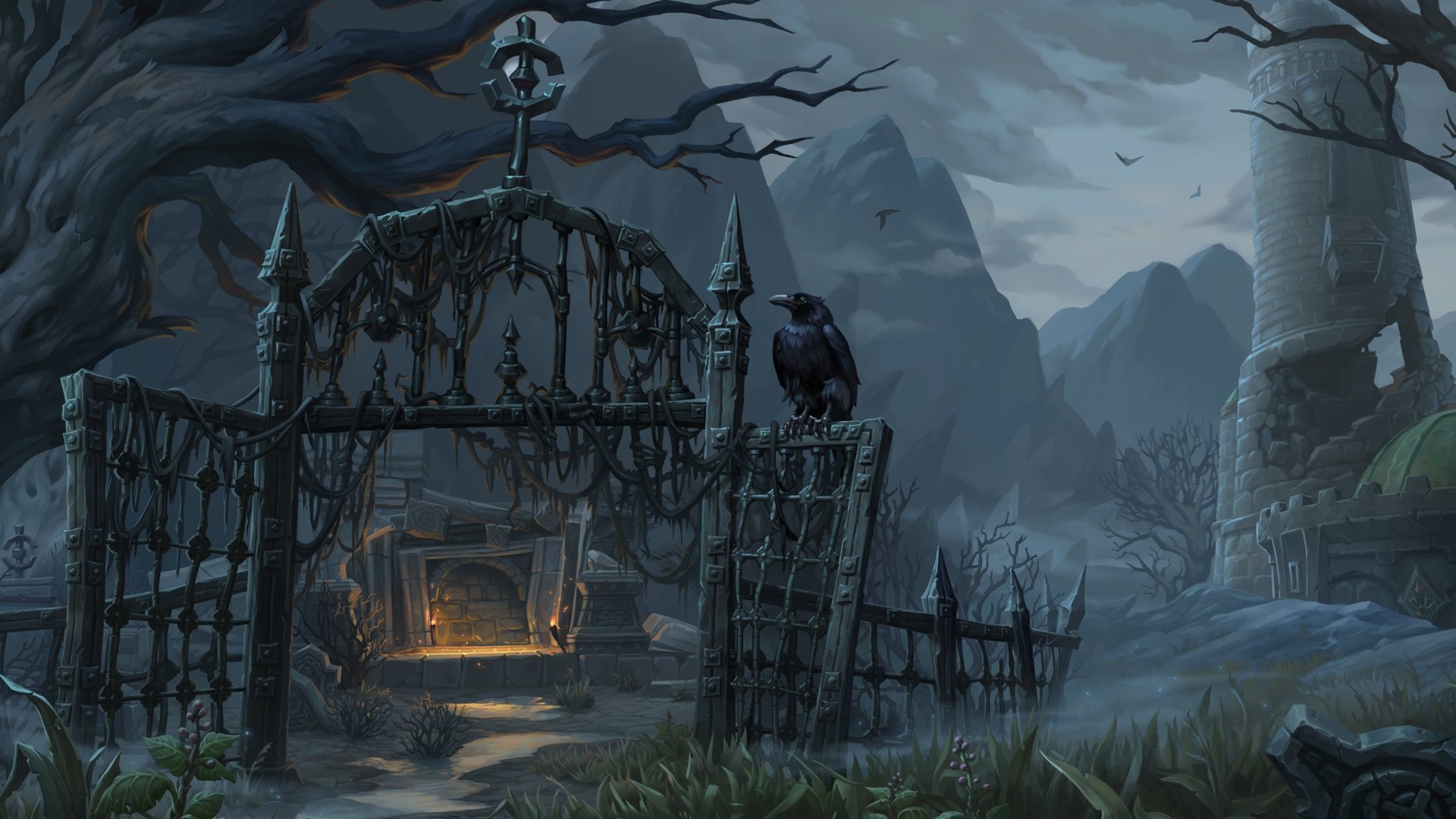
The most relevant precedent is much closer to Classic. Season of Discovery’s Phase 7 introduced Karazhan Crypts as a five-player, level-60 dungeon. Blizzard highlighted its darkness and the need to use an enchanted light. The official Phase 7 announcement establishes that revival. A Forever adaptation would be a further use of an already developed idea.
The setting remains an attractive editorial candidate because its enclosed spaces can support navigation and group decisions as well as combat. Restricted visibility can ask a party to pay attention to positioning and movement. Whether those mechanics would suit Forever, or deserve a different implementation, would require design work; the existence of another version does not make a transfer automatic.
It is also worth resisting the familiar claim that the crypt was canceled solely because it was too disturbing for the game’s rating. The development account from Staats emphasizes excess and unfinished content around Karazhan. Without firmer evidence, the ratings story should remain a rumor. The documented history is interesting enough without turning speculation into a production decision.
Ironforge Airfield could become useful without becoming huge
Forever status: An editorial suggestion, with no confirmed Forever revival in the announcements reviewed here.
The airfield above Dun Morogh offered a different kind of invitation. Aircraft, personnel and activity made it seem like a working outpost, yet the original game provided no ordinary route up to use it as a quest destination. Cataclysm later integrated it into accessible content. Warcraft Wiki’s airfield entry documents both versions.
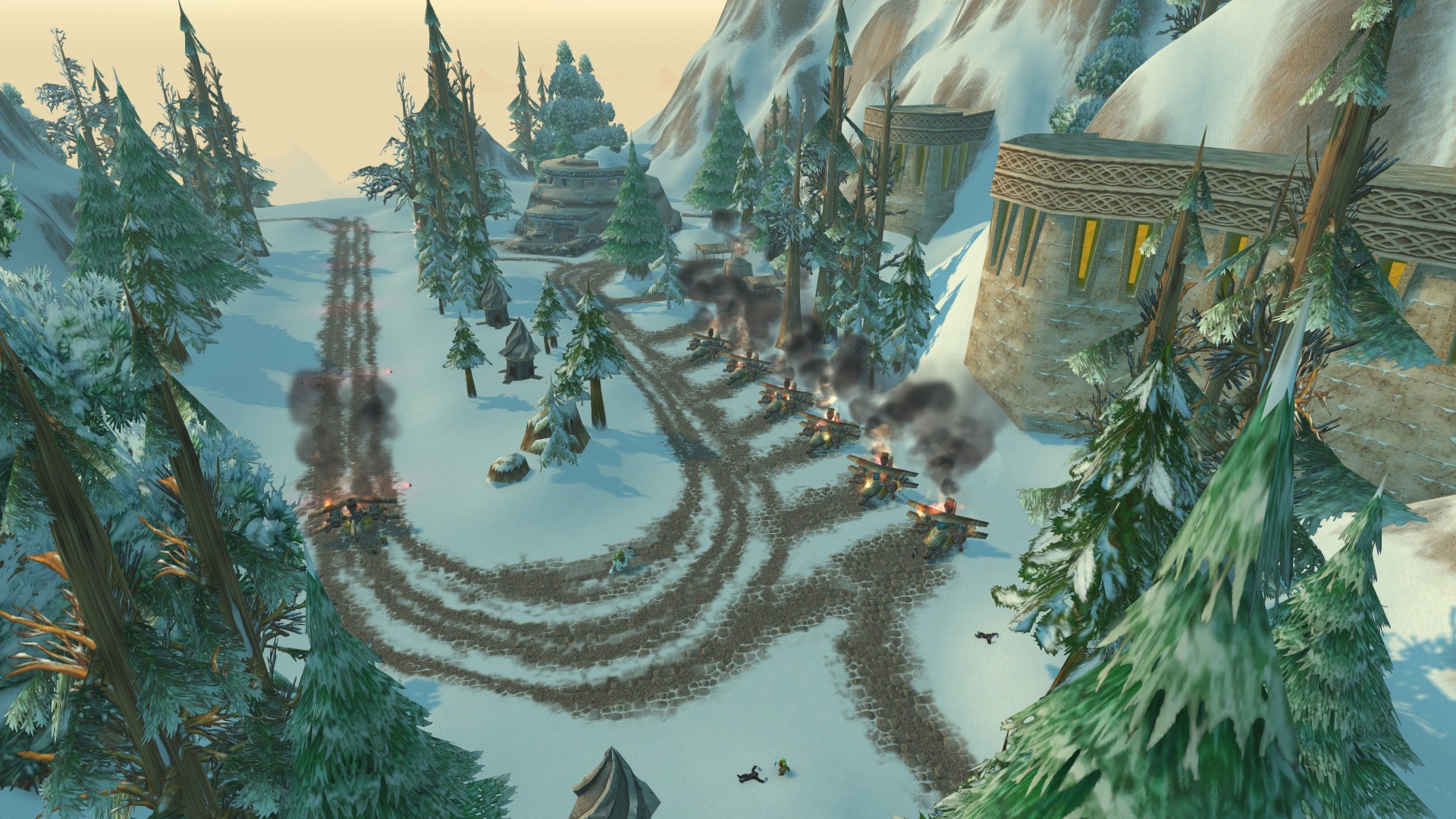
One particularly revealing detail survives in old Ahn’Qiraj war-effort material. Quest text referred to delivering supplies at the airfield, even though the relevant NPC was in Ironforge. That inconsistency could reflect an earlier idea, changed placement or simply a text error; it cannot establish a complete canceled airfield system. Small remnants deserve interpretation in proportion to the evidence.
For Forever, the airfield would suit a modest addition. A short expedition, profession tasks or a transport-related adventure could give players a reason to reach it without requiring another full leveling zone. It might be especially effective as something discovered through ordinary play around Dun Morogh.
There is a useful limit to observe. Opening every overlook and filling every patch of snow with objectives could make the world feel excessively arranged around the player. The airfield could preserve some of its distance and atmosphere while becoming accessible through a particular journey. Our argument for it is therefore narrower than the case for Gilneas or Riverglades. Azeroth also benefits from small destinations that reward curiosity and then let the traveler move on.
Which places belong on the watch list
Hyjal, Shen’dralas, Riverglades and the new city dungeons give Forever several ways to expand the original continents. Their announced formats range from broad questing regions to early group adventures. The most revealing test will be whether they change how players move through the existing world. New land matters more when a neighboring town, dungeon or road gains a purpose along with it.
Gilneas and Uldum deserve particular attention among future possibilities because developers have discussed them directly. Neither discussion supplies an order of release. Karazhan’s crypts have the advantage of a playable Classic-era precedent, while the airfield offers a smaller proposal based on its position and history. Those last two remain our suggestions for Forever.
A good opening should also resolve something specific. Uldum could continue a quest that stopped at a gate. Gilneas could add a substantial destination beyond Silverpine. The airfield could make a distant outpost part of a journey. Those goals give players a clearer basis for judging an addition than the age of the speculation surrounding it.
Forever has an opportunity to make familiar travel uncertain again in a useful way. A player may recognize the road and still have a reason to investigate the next turn. That will depend on the adventures attached to these places, and on how well they fit the continents around them.
Sources and image credits
Reporting checked Oct. 1, 2026. Confirmed features are drawn from Blizzard’s announcement, What’s Next, Found Photos and beta overview linked above. Developer discussion of Riverglades, Gilneas and Uldum comes from Jason Parker’s Sept. 15 Sportskeeda interview. Historical references use Warcraft Wiki’s version histories and preserved quest text; production context comes from AIPT’s interview with John Staats. The Karazhan Crypts comparison uses Blizzard’s Season of Discovery Phase 7 announcement. Future design proposals are Azeroth Chronicle’s editorial analysis.
Regional images: Mount Hyjal — Blizzard Found Photos; Shen’dralas map — Warcraft Wiki; Riverglades — Blizzard Found Photos; Old Ironforge — Warcraft Wiki file history; Lordaeron entrance — Warcraft Wiki; Original Dalaran dome — Warcraft Wiki; Gilneas — WoWCenter Cataclysm gallery; Uldum gates — Out of Games; Karazhan Crypts — Blizzard Phase 7 preview; Ironforge Airfield — Warcraft Wiki file history. Game imagery © Blizzard Entertainment; individual screenshot provenance and game versions are identified in the captions. Cover created for Azeroth Chronicle with ImageGen.