Asmongold’s guild network is drawing recruits, rivals and a mass-muting addon. How Olympus grew, how players are responding, and what Forever’s crowds could make possible.
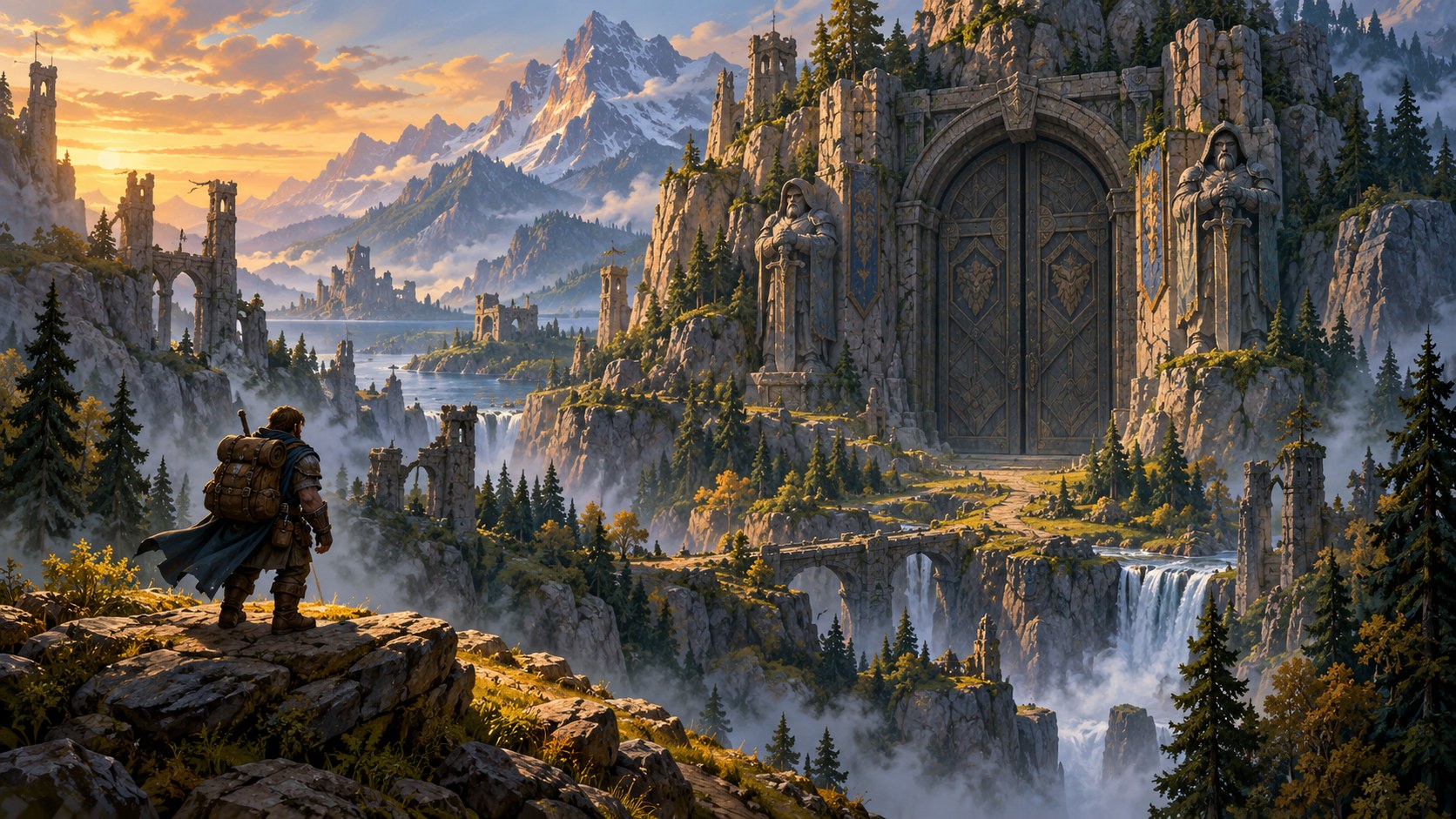
Ten closed, unfinished and underused places in Azeroth, the adventures WoW Forever is bringing to them, and the evidence behind possible returns to Gilneas, Uldum and more.
World of Warcraft: Forever’s opening beta has renewed interest in leveling, exploration, and low-level equipment. Early coverage is encouraging, but players remain divided over how much Classic should change—and technical failures have kept some from playing at all.
Olympus filled one 1,000-player guild, then multiplied across WoW Forever. Its return has created spectacle, excitement, spam, and a debate about what MMO community really means.
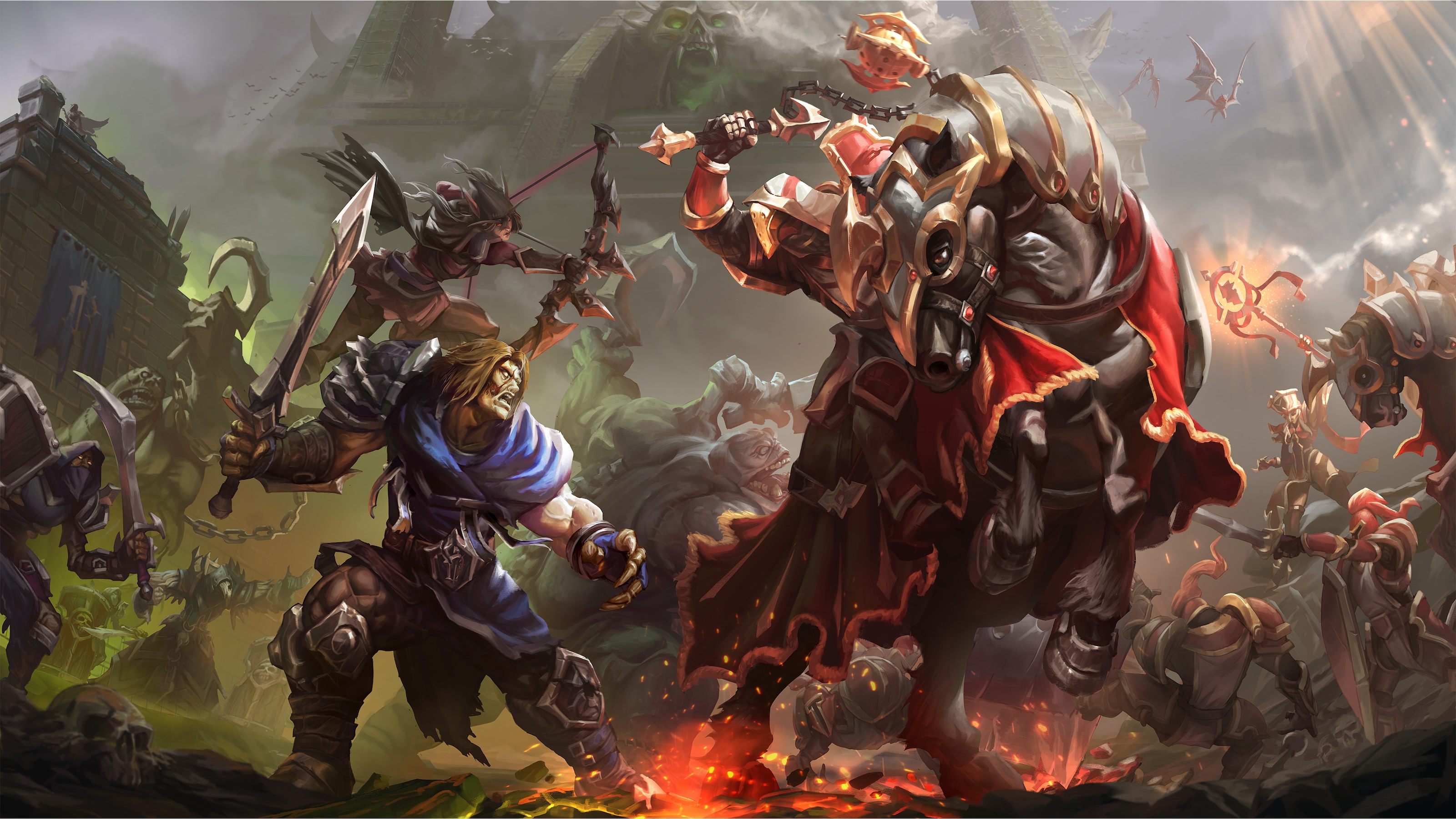
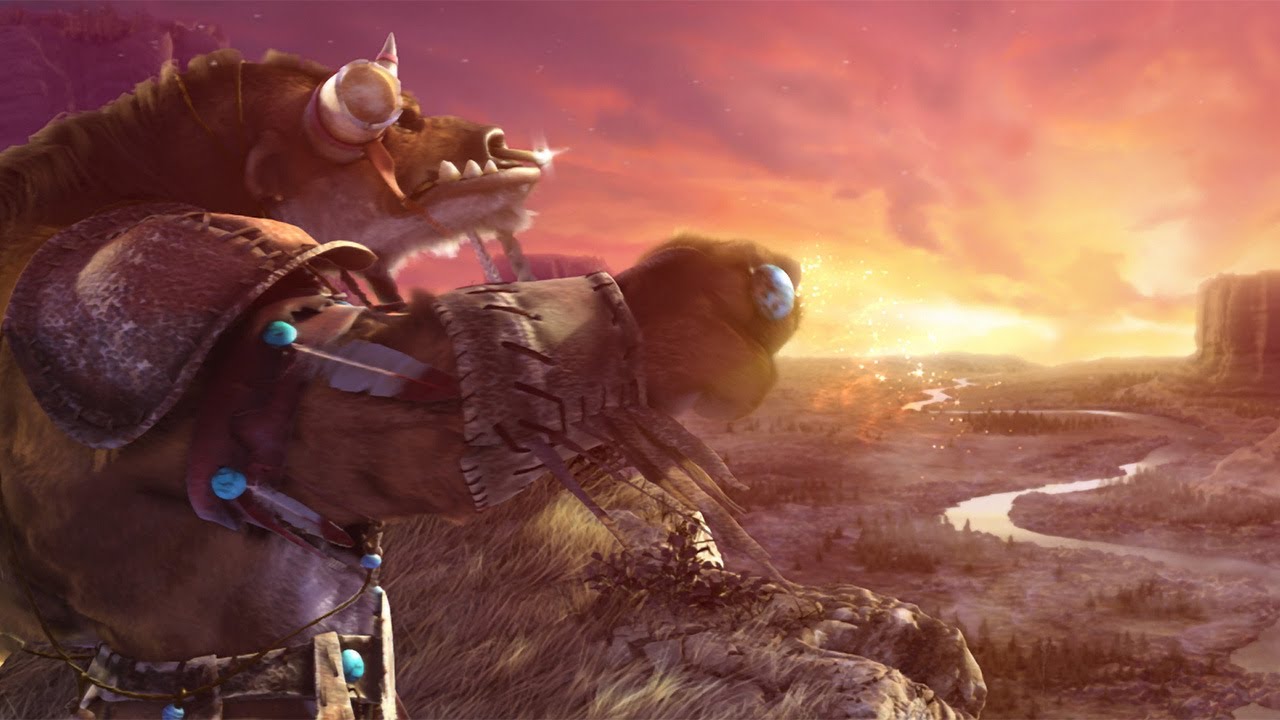
Blizzard has released Warcraft III’s first new campaign in 23 years. Forsaken Kingdom is part classic RTS, part open-world RPG, and—most importantly—the missing chapter between The Frozen Throne and World of Warcraft: Forever.
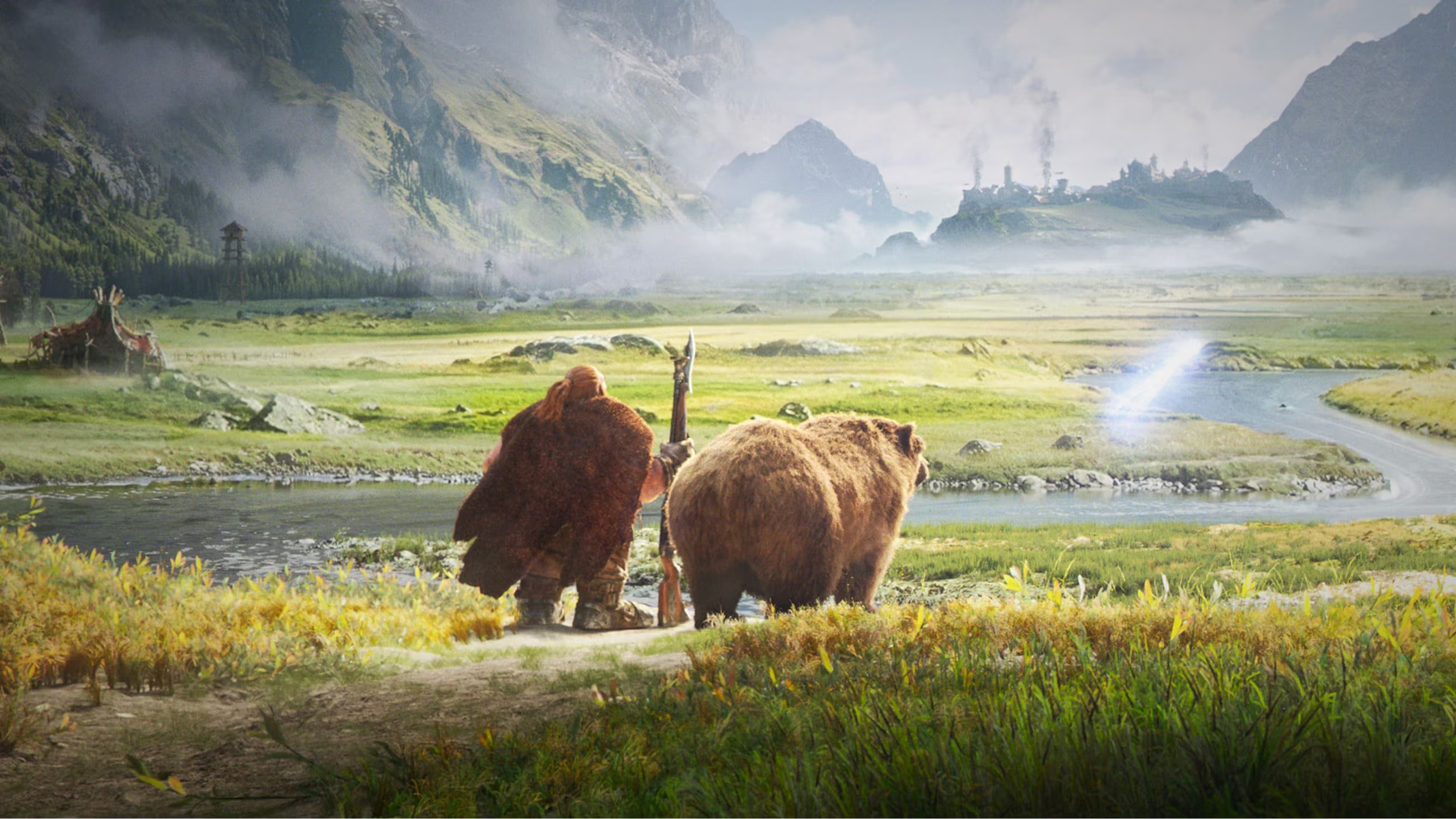
Blizzard is returning to the Azeroth of 2004, but this is not another museum server. Forever is a separate, permanent branch of World of Warcraft: level 60, new lands, unfinished stories, modern options, and a promise to keep the original world growing.
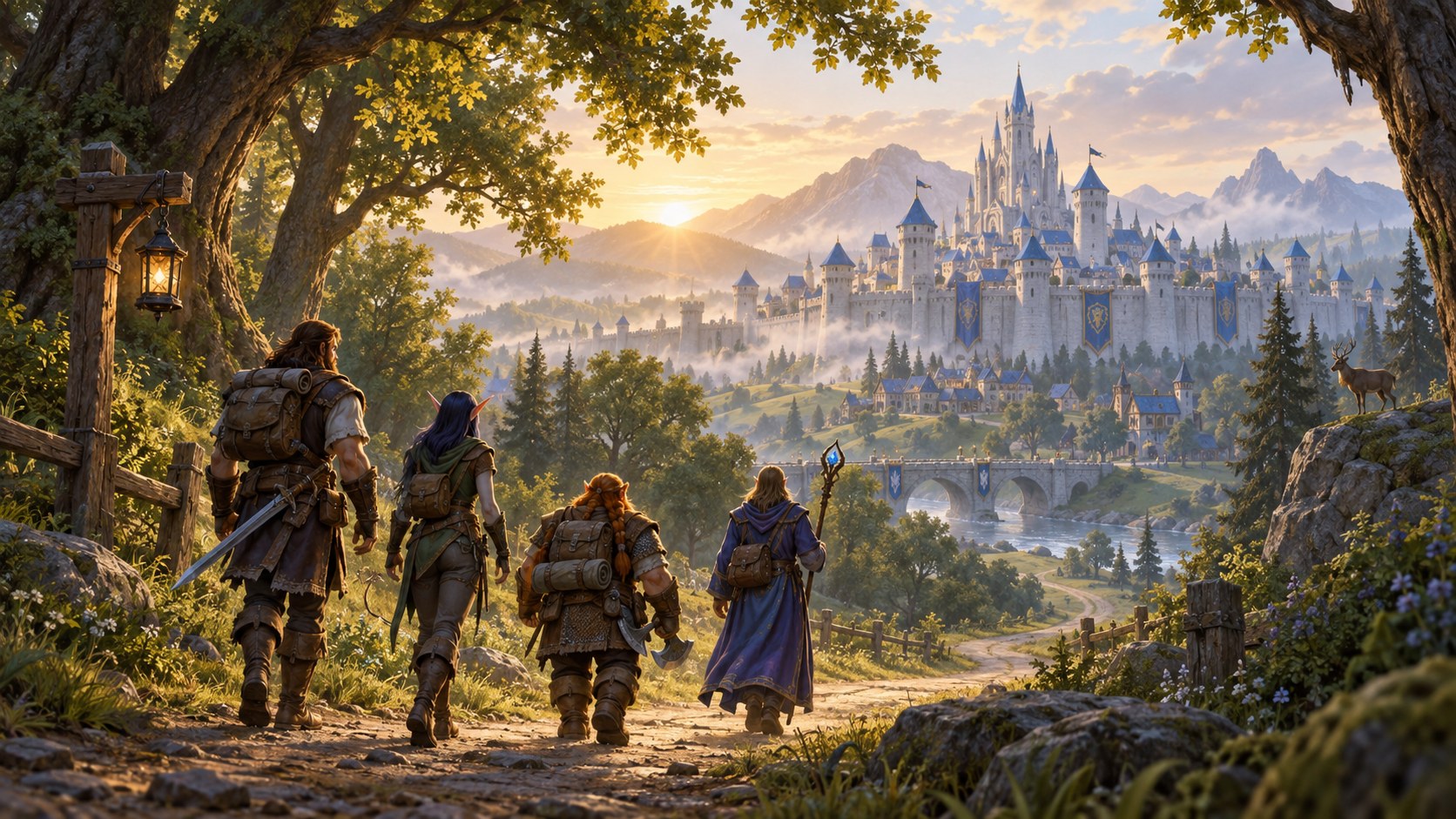
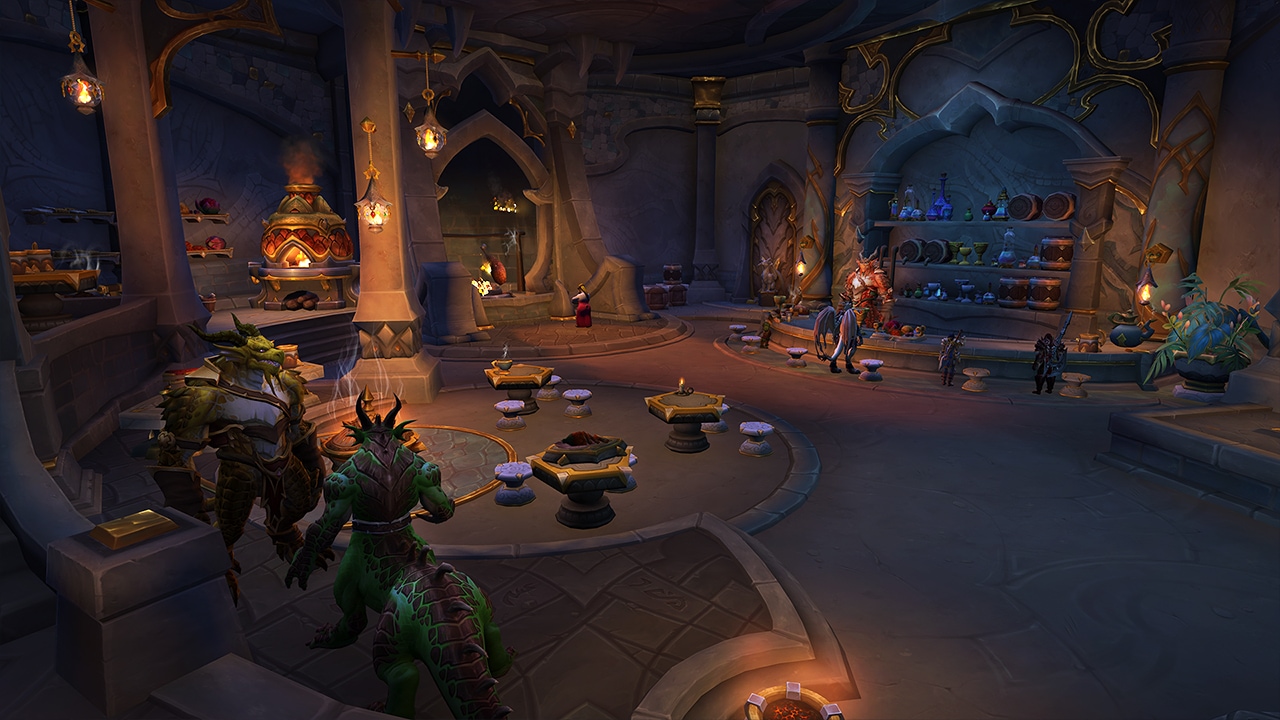
Beyond the raids and royal councils, Azeroth is kept alive by bakers, apprentices, innkeepers, healers, parents, and refugees—the people who must turn every saved world back into a home.
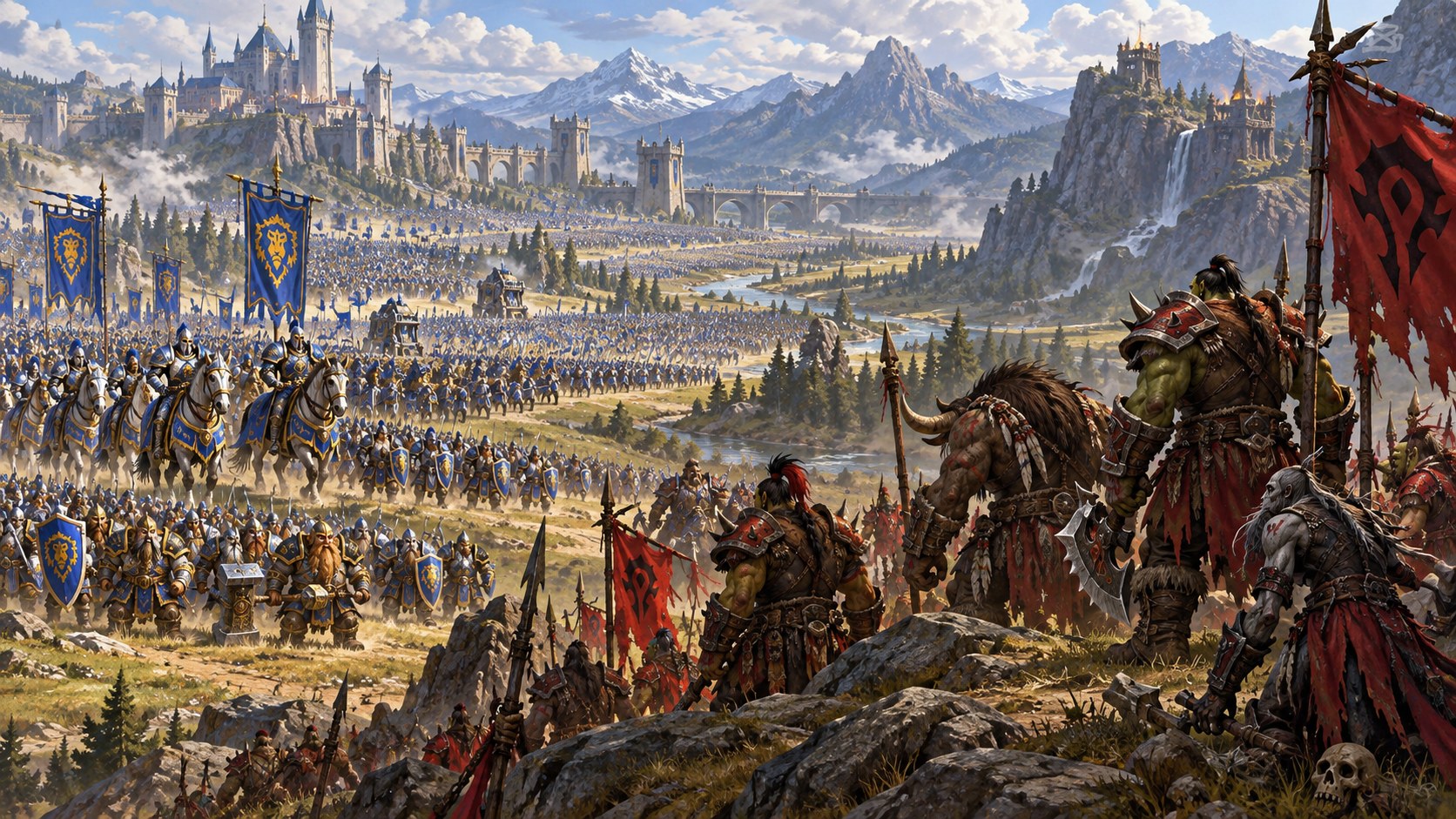
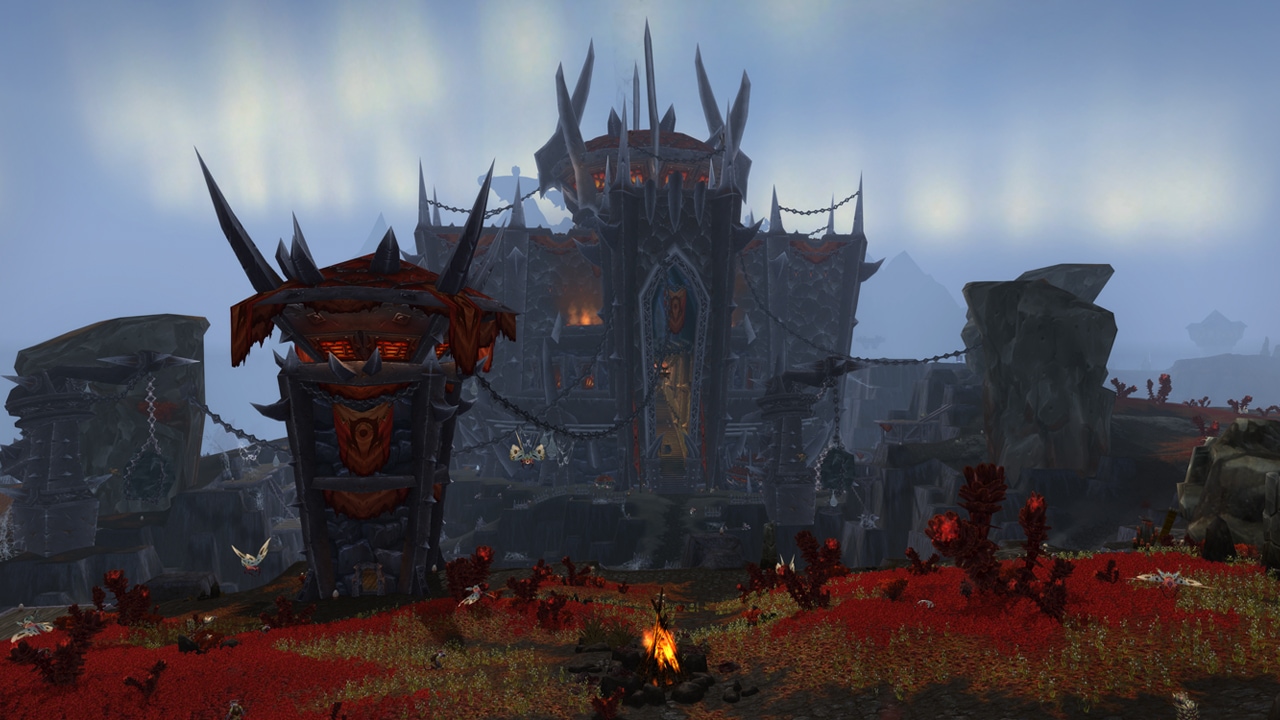
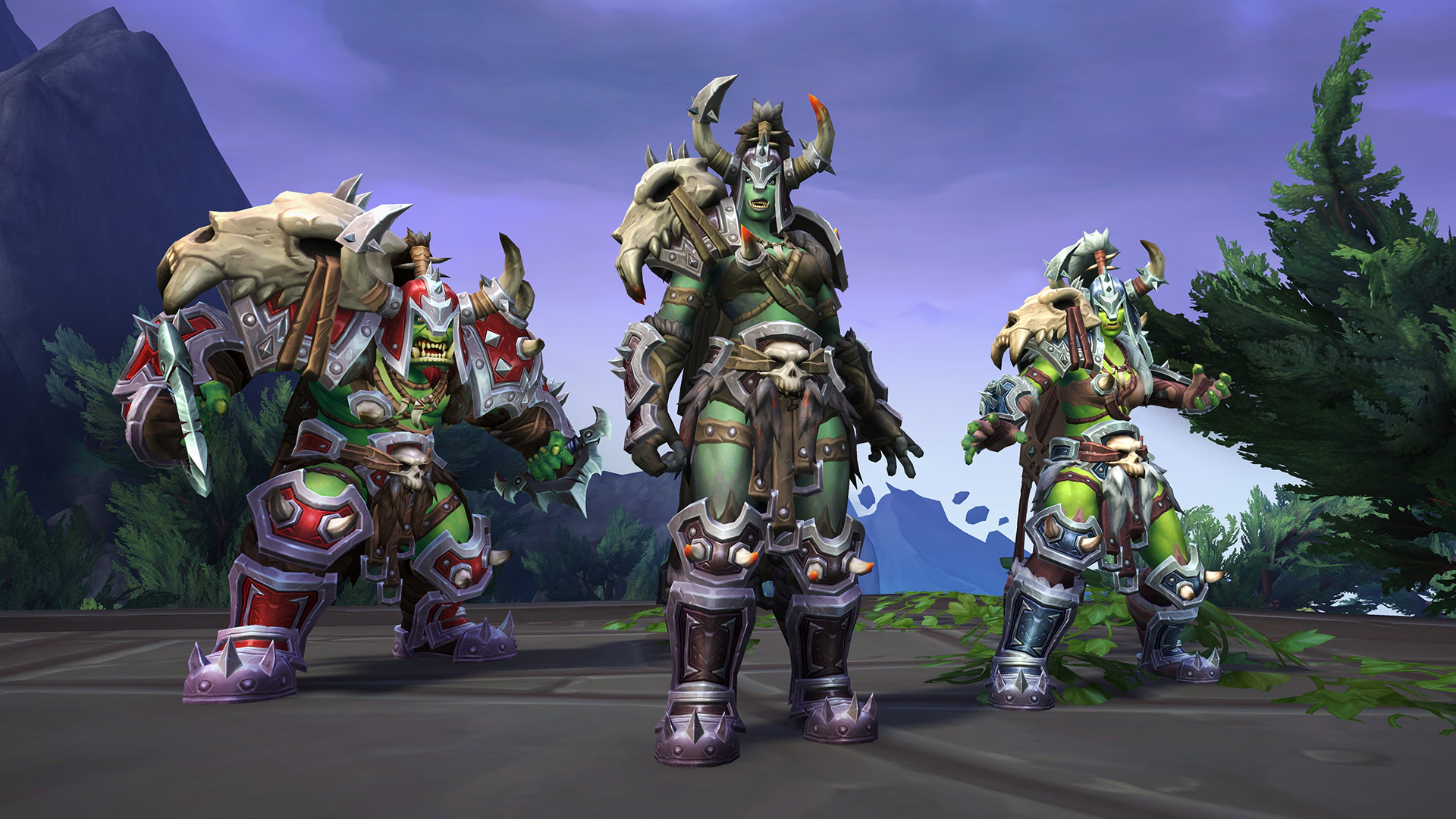
Behind every charge across Azeroth stands a quieter army of peons, quartermasters, smiths, sailors, caravan guards, and goblin engineers. The Horde’s greatest weapon may be its ability to keep moving.