
Blizzard spent years avoiding the phrase “Classic Plus.” At BlizzCon 2026 it finally revealed something more ambitious than the nickname implied. *World of Warcraft: Forever* is a third version of WoW that will exist alongside Modern and Classic. It begins in the first year of the original game, before the assault on Molten Core, then follows a new path through an Azeroth that never moved on to The Burning Crusade.
The launch is unusually close. Forever arrives globally on *November 4, 2026, with the beta beginning September 17*. Access to the released game is included with an existing World of Warcraft subscription or game time. Blizzard is also selling optional upgrade editions; early beta access is tied to the Skyborne Epic Pack or the limited-time Warcraft Forever Collection.
This is everything Blizzard has confirmed so far—and the important things it has not.
Not Classic Plus, and not WoW 2
Forever uses the geography, pace, and level 1–60 structure of original Azeroth as its foundation, but it is not designed to replay the old patch sequence. Blizzard describes it as “a new beginning that never ends”: an evergreen world that can receive new quests, regions, dungeons, raids, systems, and stories without automatically raising the level cap or abandoning the previous map.
Its story begins after the events of the new Warcraft III: Reforged — Forsaken Kingdom campaign and before Molten Core. From there, history diverges. Familiar conflicts and locations remain, but Forever can resolve abandoned plot threads, open spaces that existed only beyond the old zone borders, and tell smaller stories that retail WoW’s cosmic timeline has left behind.
That distinction matters. Classic preserves versions of the past. Modern WoW moves forward through expansions. Forever intends to build sideways: deeper into the original continents rather than away from them.
The four rules behind the project
Blizzard presented four design pillars. Forever should be approachable and familiar; the world should remain the main character; the journey should matter as much as the destination; and social experiences should be protected rather than optimized out of existence.
Those principles produce several firm decisions. There will be *no flying mounts and no level scaling*. Leveling is meant to remain a substantial part of the game, preparation should still matter, and rewards should come from playing—exploring, completing quests, learning professions, clearing dungeons, and relying on other people.
Quality-of-life additions are not forbidden, but Blizzard says every convenience will be judged by what it does to the community. The goal is not to reproduce every frustration of 2004. It is to preserve the reasons strangers met on roads, formed groups at dungeon entrances, asked specialists to craft equipment, and remembered the journey after reaching level 60.
The level cap will remain *60 for the foreseeable future*. That phrase is deliberately less absolute than “forever,” but it makes the immediate philosophy clear: new content is not supposed to invalidate the old world by adding another ten levels every two years.
Four new regions and more than 1,000 quests
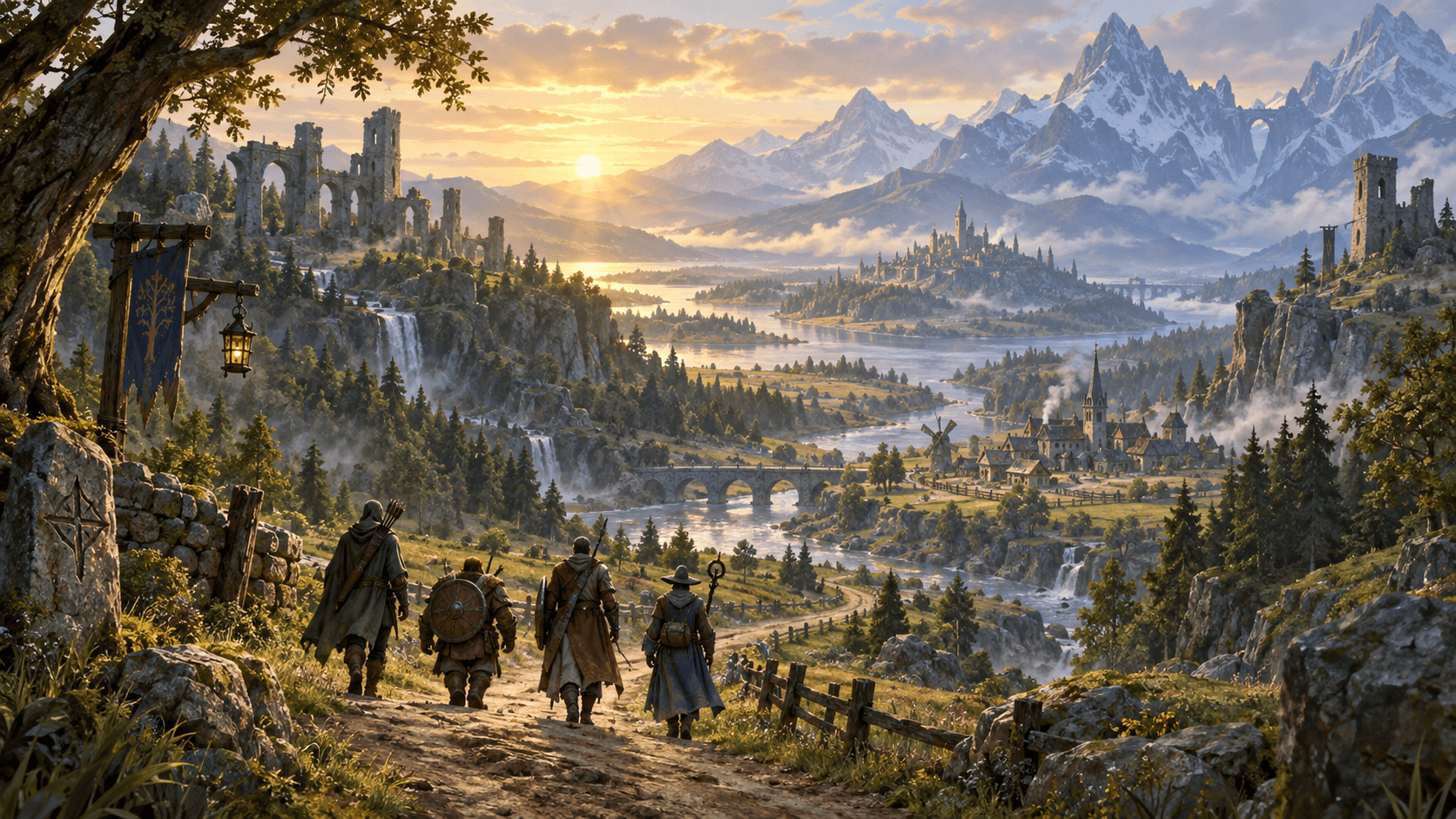
Forever launches with more than *1,000 new quests* distributed across the entire level 1–60 journey. New content is not reserved for max level, and four major regions extend the original continents.
Mount Hyjal* is a maximum-level region about the aftermath of Archimonde’s defeat. Players will travel through Darkwhisper Gorge and help decide the future of a wounded land still recovering from the Third War.
Shen’dralas*, hidden between Mulgore and Desolace, connects the Shen’dralar, Eldre’Thalas and Dire Maul with the centaur tribes of the region. It turns one of old Kalimdor’s most conspicuous blank spaces into a new chapter of Highborne history.
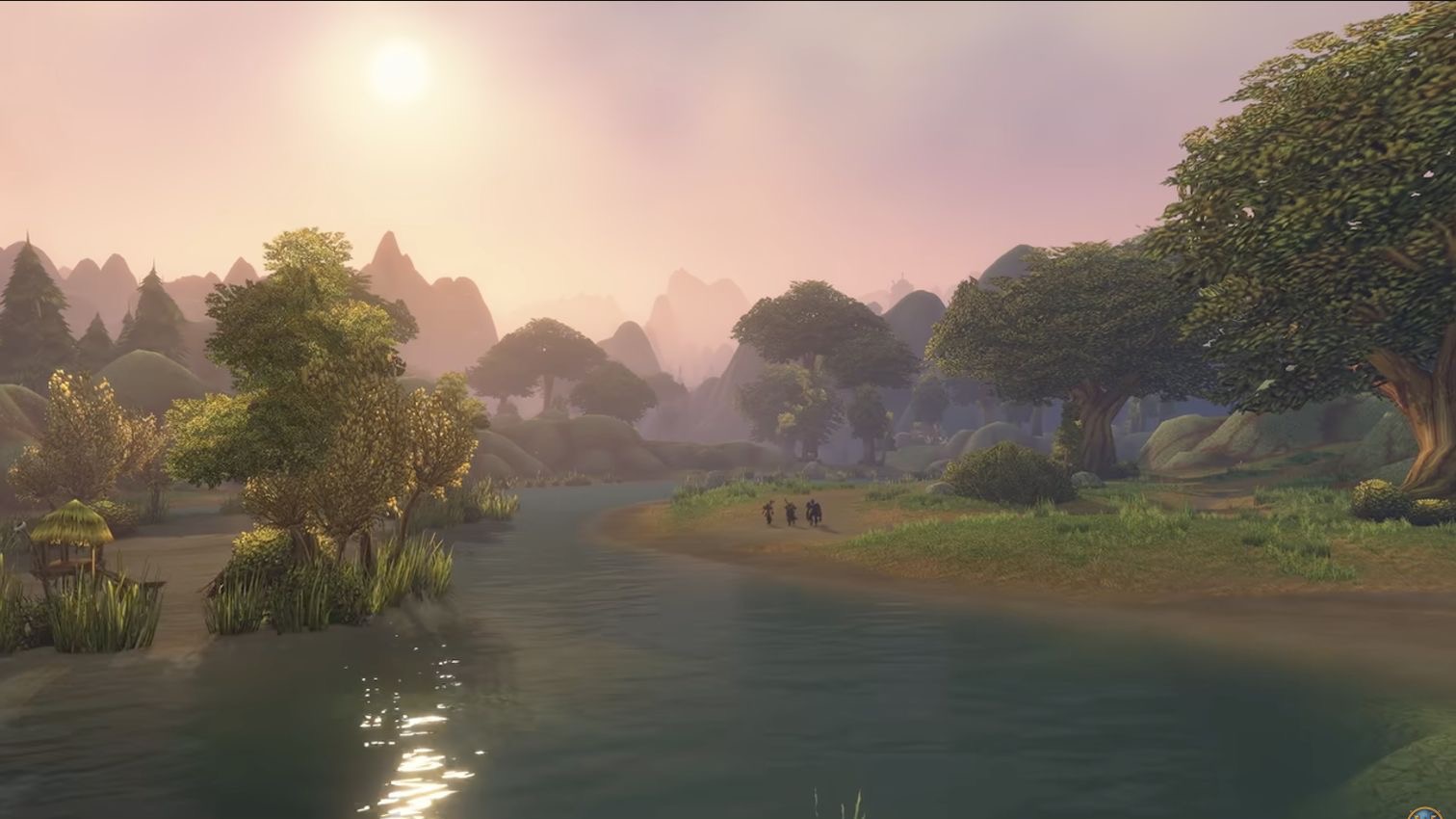
The Riverglades* is a frontier of rivers, grasslands, trade routes, struggling communities, and grudges left by earlier wars. Blizzard says it contains more than 150 quests and covers much of the mid-30s to mid-40s leveling range.
Zephras Isle* is a new level 1–12 starting experience. Its elemental, skybound architecture draws on both Classic Warcraft and Skywall, and it introduces Forever’s new playable people.
The broader promise is just as important as the launch list. Blizzard wants to fill in unfinished corners of Eastern Kingdoms and Kalimdor, including places players have seen on maps or glimpsed beyond invisible walls for decades. Forever is not merely remastering old zones; it is treating the original world as land that can still expand.
The Skyborne choose their faction
The *Skyborne* are Forever’s first new playable race. They share a common ancestry, but their future is decided during character creation: every Skyborne chooses the Horde or the Alliance.
Faction choice changes part of their class selection. Horde-aligned Skyborne follow elemental traditions and can become Shamans, while Alliance-aligned Skyborne pursue the arcane legacy of their ancestors and can become Mages. Both factions also have access to Warriors, Hunters, Rogues, and Druids. Skyborne Druids receive new forms made specifically for the race.
Blizzard has also confirmed unique racial abilities, customization options, voices, dances, and visual choices. What it has not yet fully explained is the narrative weight of the faction decision, whether Skyborne can communicate across factions outside existing limits, or how their starting story changes after the choice.
What the Deep Dive clarified
Blizzard’s second panel replaced several broad promises with rules and numbers. Forever will be *realmless*: instead of choosing a named server, players select one of four separate ruleset ecosystems—Normal, PvP, Roleplaying, or, after launch, Hardcore. Characters can group, enter dungeons, and raid only with players on the same ruleset; Horde and Alliance remain unable to group together. The system is intended to favor familiar names and repeat encounters inside a much larger population rather than turn the entire region into one anonymous shard.
Names will therefore have two parts and be unique across a region. Players can set a language preference, while the PvP ecosystem will use faction-balance measures inspired by Season of Discovery. Hardcore remains sealed from incoming account progress, but a dead Hardcore character may transfer out to another ruleset, including PvP. Collections and Legacy rewards earned in Hardcore can follow that character outward; progress earned elsewhere cannot flow back in.
Camping is now much more concrete. A Basic Campfire creates a rest area with vendors, repairs, profession workspaces, and one-hour benefits. Up to three nearby players can each contribute one crafted camp object on a one-hour cooldown. Every profession receives three objects at different skill levels: examples include a Blacksmith’s Sharpening Wheel for Attack Power, a Tailor’s Faction Banner for Spirit, and an Herbalist’s Incense Candle for Intellect. These effects duplicate rather than stack with comparable class buffs. Higher-level camps can hold five or ten objects, dungeon bosses can drop advanced blueprints, and Forever adds more than *600 profession recipes* across the leveling range.
The Legacy System also has firm boundaries. Challenges award account-wide Legacy Points across leveling, professions, exploration, and other ordinary play. Each character spends those shared points independently in three launch trees—Professions, Adventure, and Resourcefulness. Examples include more rested experience, extra gathered materials, and a high-tier perk that can remove reagent costs from class abilities. At launch a character can spend *16 points, while the account can earn up to 65*; surplus progress advances a cosmetic prestige track rather than granting additional combat power. Blizzard’s example reward is the Spectral Bear Cub. Forever also adopts the Burning Crusade approach to riding costs: most of the price moves into training, and learning the skill grants a mount.
Combat is meant to keep Classic’s deliberate rhythm. Blizzard’s target for an ordinary solo enemy is roughly *10–15 seconds*, while dungeon groups are still expected to manage Threat and use Polymorph, Banish, Fear, roots, and focused targets instead of solving every pull with area damage. Itemization is being “unsolved”: melee, ranged, and spell Hit become one stat, as do their Critical Strike equivalents; healing power includes one third as much spell damage; weapon-skill bonuses remain but appear in smaller amounts. New effects can reduce parry or dodge, reward fighting in particular environments, or specialize against creature types. Every dungeon drop has been reviewed, hundreds of new dungeon, rare-creature, quest, and world-drop rewards have been added, and unique boss items move to blue quality.
Six additional race-and-class combinations are confirmed: *Gnome Priest, Human Hunter, Dwarf Shaman, Orc Mage, Troll Warlock, and Undead Paladin*. Every race is being tuned around two active and two passive abilities. Talent trees retain the familiar number of rows and the 11-, 21-, and 31-point milestones, but add a new one-point milestone at 16 points. Several former talent buffs—including Divine Spirit, Blessing of Kings, and Improved Mark of the Wild—become baseline.
Paladins were Blizzard’s detailed example. Holy Strike arrives at level 6, Seals are no longer consumed by Judgment, Consecration becomes baseline at level 20, and Seal of Fury gives Protection a taunt and small absorbs. Holy gains interactions that vary its healing rotation and a costly party-healing cooldown; Protection gains mana tools, a missed-taunt reset, and new mitigation; Retribution gains a stronger melee path plus optional spell-focused and Seal-twisting support. The edges remain intentional: Paladins still lack an interrupt and a general slow.
Nine dungeons, two raids, and a new battleground
The launch package includes *nine new dungeons*, many based on places that original WoW named or displayed without fully exploring:
- *Hall of Thanes, beneath Ironforge; - Ruins of Lordaeron, connected to the Forsaken’s attempt to reclaim the city; - The Excavation Site, above Whelgar’s Excavation in the Wetlands; - City of Dalaran, where magical trouble has broken loose; - Blackmaw Hold, tied to corruption in Azshara; - The Drowned City, involving naga and pirates off Stranglethorn Vale; - Krol’dok Stronghold, a large destination in the Riverglades; - Alcaz Prison, on Alcaz Island; - Shaper’s Terrace*, focused on titan mysteries near Un’Goro Crater.
Two new raids anchor the first endgame. *The Barrow Deeps is planned as a 10-player level-60 challenge. Hyjal Summit* is a 20-player raid set at one of Warcraft’s most important locations. New tier sets and a new legendary reward are confirmed, although Blizzard is withholding the legendary’s identity.
Raids unlock on *December 9*, a little over a month after launch. Blizzard’s longer roadmap promises additional raids and dungeons, more world and leveling content, PvP updates, Hardcore, and a revamped iconic raid. The studio has not yet published the complete encounter schedule or explained how old raids such as Molten Core will coexist with the new progression.
PvP receives the *Darkspear Islands*, a 15-versus-15 battleground off Kalimdor. It combines strategic control points with Arathi Basin-style flag capture and defense. Broader PvP revisions are planned, but ranking, rewards, matchmaking, and the fate of the original Honor system remain open questions.
Classes will change—but not become retail classes
Forever is not using the untouched 1.12 class design. Blizzard plans new abilities, new race-and-class combinations, revised talents, racial updates, and changes intended to fill obvious gaps while preserving strong class identities.
The examples shown are deliberately conservative. Protection Paladins receive a new seal to improve tanking, Holy Paladins gain a limited form of group healing, and Retribution is being strengthened. Dwarves gain increased damage against beasts. Forsaken attacks and spells can sometimes drain health from their target. Talents are meant to feel more noticeable when chosen.
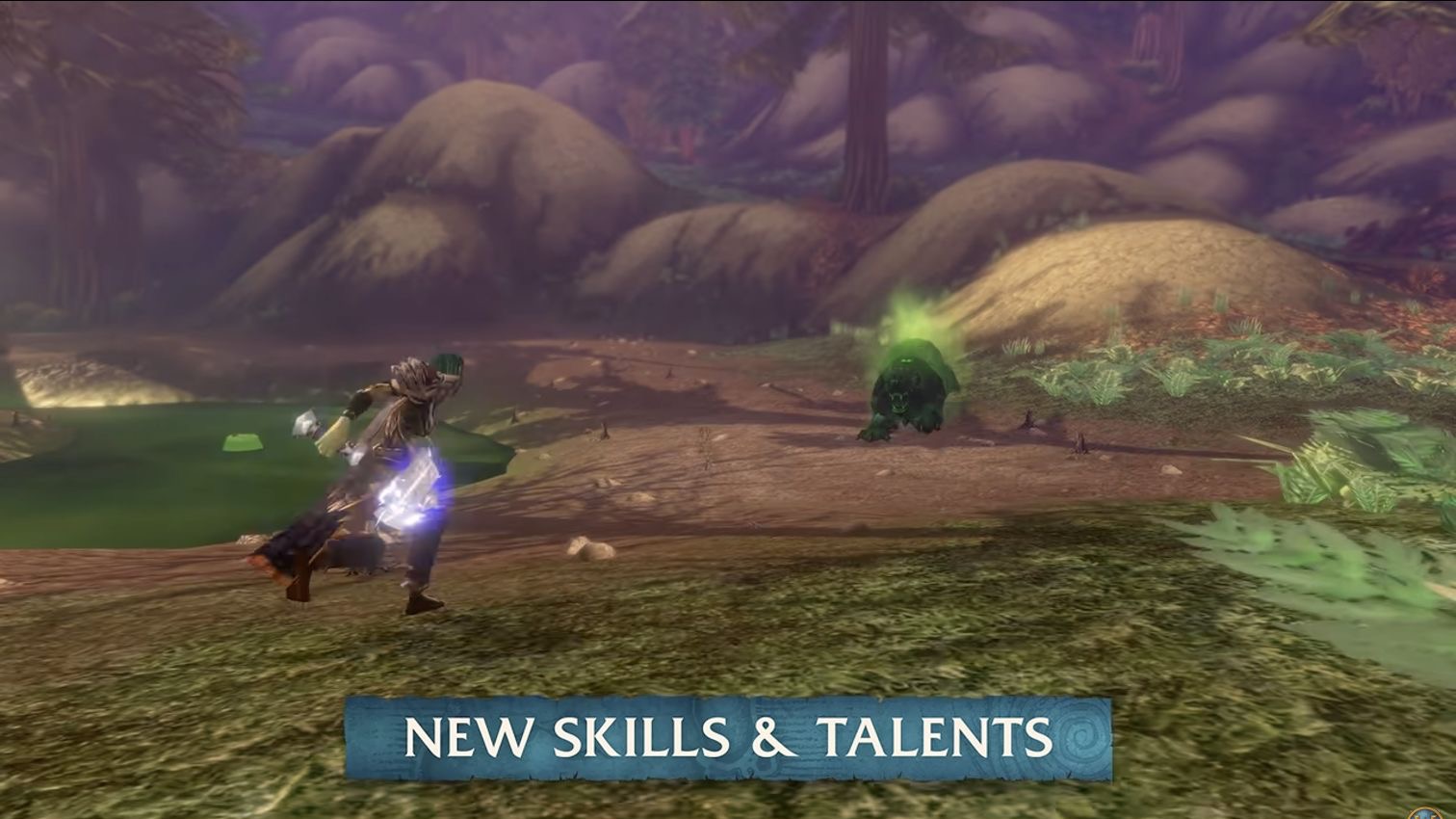
The line Blizzard is trying to walk is narrow. Classic classes are memorable partly because they are unequal, specialized, and dependent on one another. Yet some specs were barely functional in original endgame content. Forever’s success may depend on improving neglected roles without flattening every class into a self-sufficient modern toolkit.
The gameplay presentation also teased another new class for a later update, but Blizzard has not named it. Until the studio does, guesses based on trailer frames or datamining remain speculation.
Camping, Legacy progression, and optional transmog
Two new systems reveal how Blizzard wants the world to function.
Camping* allows players to create camps in the outdoor world. Profession specialists can contribute useful services or crafted items, while visitors spend time at the campsite to receive shared buffs. Mechanically, it is a portable preparation hub. Socially, it is an attempt to create small, temporary gathering places away from capitals.
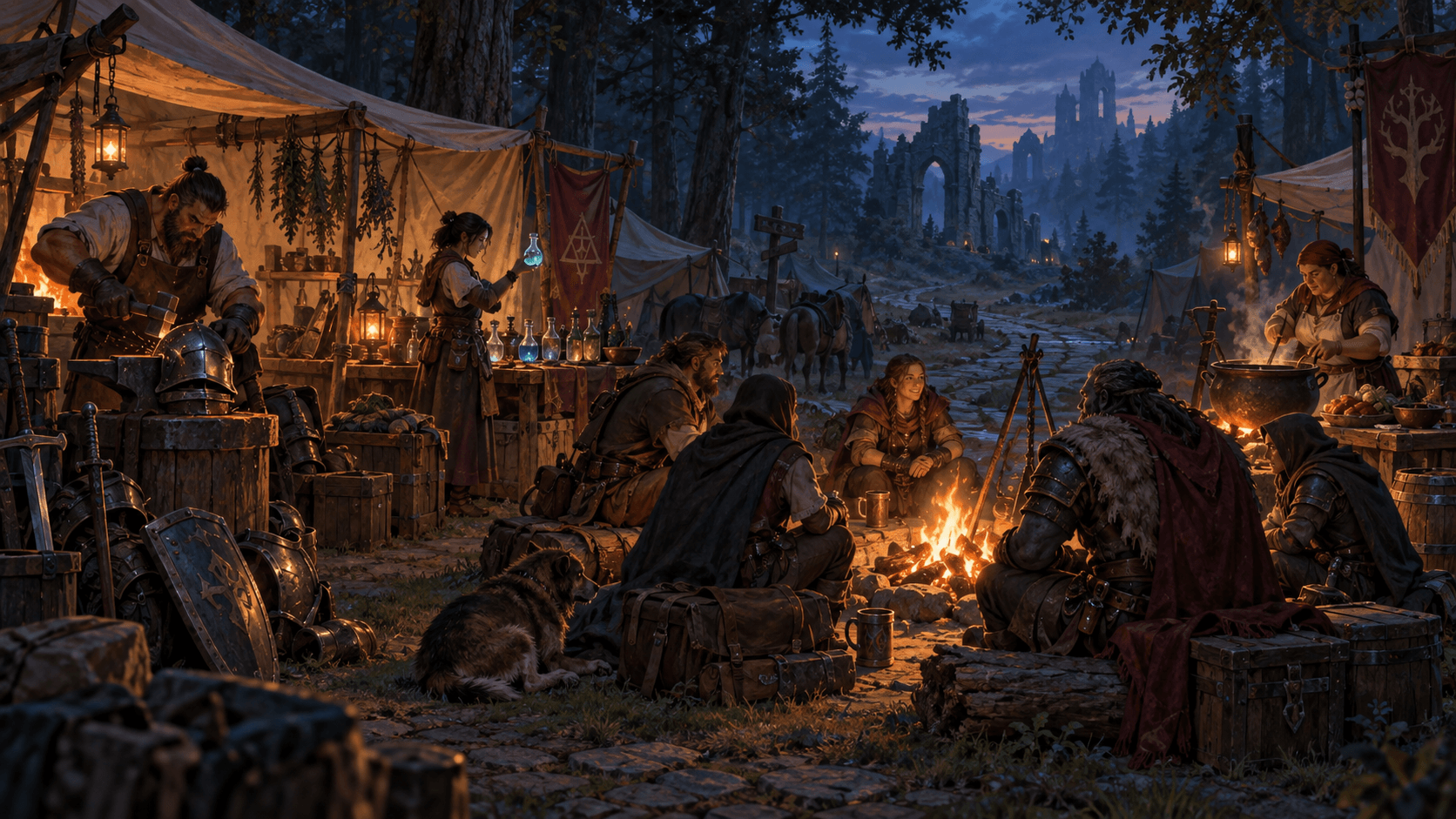
The *Legacy System* rewards players for completing goals across leveling, classes, zones, professions, PvP, dungeons, and raids. Its points are account-wide, but each character builds separately within the launch spending cap. The Deep Dive confirmed that the strongest progression choices compete for a limited 16-point budget, while progress beyond that cap feeds a non-competitive reward track.
Transmogrification is coming, but with an unusual compromise: it is *opt-in*. Classic Mode disables it by default, though appearances continue to be collected in the background. Uncommon and Rare bind-on-pickup dungeon appearances are granted to every eligible looter when the item is looted, preventing appearance rolls from competing with upgrades; Epic raid appearances go only to the character who receives the item. Armor-type and level restrictions remain, with level restrictions removed at 60 for valid collected appearances.
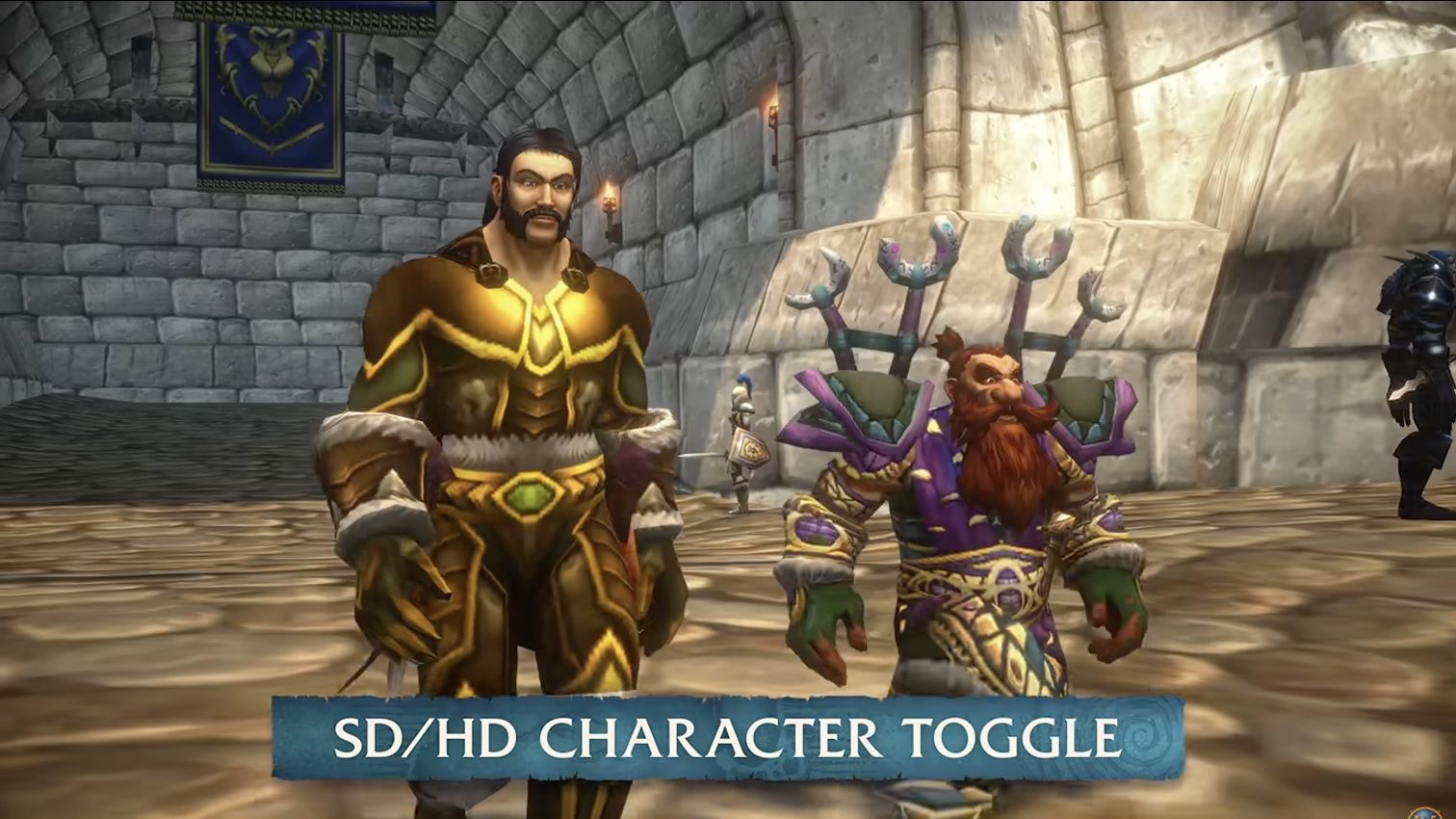
Players can also switch between Standard-Definition and High-Definition character models, including NPCs. Updated models can use restored Classic-style animations. Official gamepad support is confirmed, widening access without changing the underlying PC release.
A remaster that tries not to look remastered
Forever retains the stylized proportions and hand-painted identity of original WoW while upgrading the way the world is rendered. Blizzard’s examples are modest by design: rivers visibly flowing through Elwynn Forest, mist hanging over Darkshore, and moonlight breaking through the trees of Ashenvale.
The SD/HD options extend that philosophy to characters. This is not a full engine replacement or a photorealistic remake. It is an attempt to add atmosphere and technical flexibility without making old Azeroth feel like a different game.
What remains unclear is the underlying client relationship between Forever, Classic, and Modern WoW; the complete accessibility suite; addon policy; minimum system requirements; and whether any interface restrictions will differ from the other versions.
Release, beta, and what you actually have to buy
World of Warcraft: Forever launches on PC on *November 4, 2026, at 3:00 p.m. PST. The beta begins on September 17*. Blizzard says the released experience is available through the normal WoW subscription or game time, so Forever itself is not a separately priced expansion.
Optional paid editions add bonuses and beta access. The Skyborne Epic Pack and Warcraft Forever Collection provide access to the September beta; the broader Collection also bundles Warcraft III: Reforged, the new Forsaken Kingdom campaign, and housing decorations for Modern WoW. A physical Collector’s Edition is available separately while supplies last.
Several practical details still need clarification: exact beta phases, population and layering behavior inside each ruleset, economy rules, the launch implementation of language matching, and whether every subscriber can create a Skyborne at launch without buying an upgrade.
The roadmap is a promise, not yet a solution
Blizzard says Forever will keep expanding for years. The announced roadmap includes the December 9 raid opening and later additions across raids, dungeons, PvP, leveling, world content, Hardcore, an iconic raid revamp, a first new legendary, and an unnamed future class.
The difficult question is horizontal progression. If the cap stays at 60 and accomplishments remain relevant, Blizzard must add desirable rewards without making every previous dungeon and raid obsolete. It must also keep the world populated without turning Legacy bonuses into mandatory chores, and add convenience without dissolving the social friction Forever is built to preserve.
The Deep Dive explained much more about Legacy progression, Camping, rulesets, itemization, and Paladins, but major questions remain. Blizzard has not defined the long-term content cadence, raid difficulty modes, seasonal resets, future Legacy caps, monetization beyond optional editions, or the process by which community feedback will influence development. A live developer Q&A is scheduled for September 17.
What is already clear is the scale of the bet. Forever is not nostalgia packaged as a temporary event. Blizzard is creating an alternate future for its most famous world—a place where level 60 remains the horizon, Hyjal can finally open without Cataclysm, and the road through Azeroth is once again more important than the portal at its end.
Sources
Blizzard, *Everything Announced at BlizzCon 2026 Opening Ceremony* (syndicated press release)
Blizzard, BlizzCon 2026 World of Warcraft schedule
World of Warcraft, *Forever — New Horizons* official cinematic trailer
World of Warcraft, *Forever* official gameplay trailer
Blizzard Entertainment, *World of Warcraft: Forever Deep Dive Panel Recap*
PC Gamer, announcement briefing and launch summary
Massively Overpowered, BlizzCon announcement and panel coverage